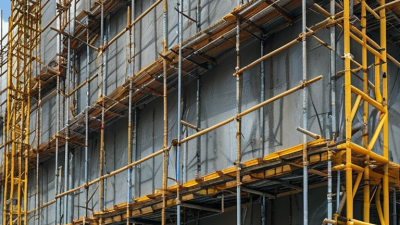
Buying scaffolding materials isn’t just about comparing prices. It’s really about considering important factors like load capacity, stability, worker safety, and keeping your project running smoothly. Just because a product looks shiny or is showcased well in a catalog doesn’t mean it’s high quality. Experienced buyers tend to dig deeper—checking the material grade, tube thickness, connection design, corrosion resistance, and how much it can actually handle. They also ask for test reports, detailed specs, batch info, and clear instructions for installation. Reputable suppliers like Layher or PERI usually provide traceable documentation and technical support, but don’t just rely on a big brand name—always double-check those details.
Peter Bennett, a senior scaffolding expert, once said, “A cheap part becomes costly when it fails inspection.” That’s a really good point to keep in mind. Sometimes the lowest quote hides weak fittings, inconsistent sizes, or missing certifications. Those tiny issues can cause delays or even safety hazards on site. So, before placing your order, take the time to measure your working height, platform width, ground conditions, how you’ll access the site, and the expected load. Think about weather factors like rain or wind, repeated assembly, and how well the equipment will handle storage. It’s also smart to ask if your supplier offers replacement parts or inspection advice— because if one bent ledger stops the whole site, it’s a problem you don’t want to deal with.
Of course, perfection isn’t always possible—budgets are real, delivery dates can slip, and sometimes you just have to make the best call you can. But rushing into a purchase often leads to bigger costs down the line. That’s why I’ve put together ten practical tips to help you compare scaffolding materials more carefully, gather better evidence, and stay realistic about what your site really needs. Ultimately, safety should always be the main factor in your decision. It’s not something to take lightly or just think about later—make it your priority from the get-go.
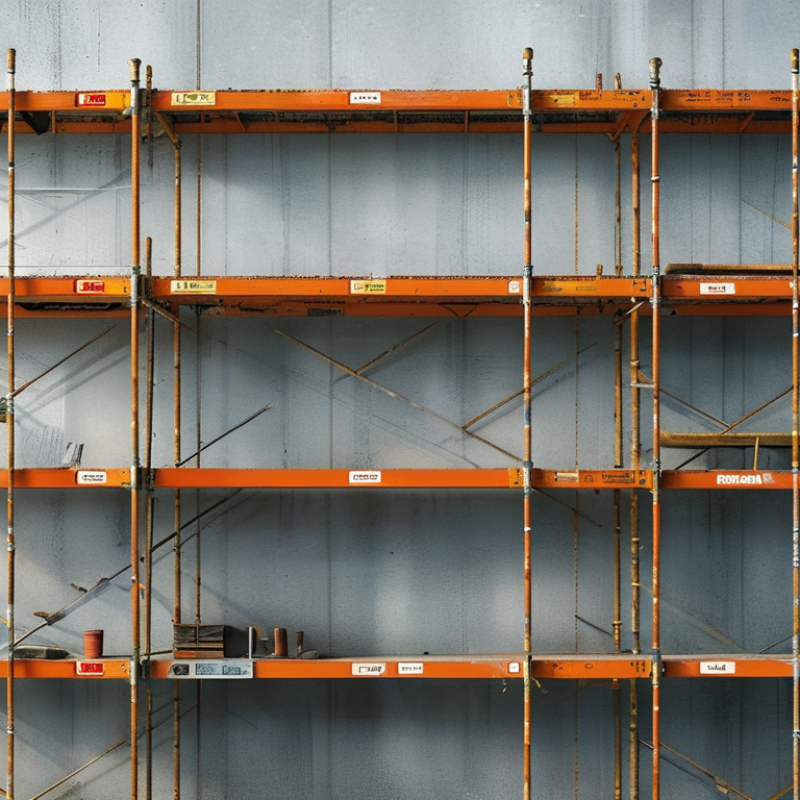
Steel frames suit repeated construction work and heavy loads. Aluminum is lighter, making it useful for indoor maintenance and quick relocation. Timber can support specialized work, but moisture and decay require careful inspection. Tube-and-coupler systems offer flexible layouts around irregular structures. Choose the material according to load, height, weather, and working space. Do not select by price alone. Material matters.
Match the scaffolding type to its application. Masonry projects often need stable frame or system scaffolding. Mobile towers work well on level floors for short tasks. Suspended systems help reach tall façades, but they require precise support planning. Check platform width, guardrails, access ladders, base plates, and adjustable components. Ask for load tables, material specifications, and inspection records. A qualified person should verify compatibility before use.
On a real site, small details often create large problems. I have seen crews buy strong frames but overlook uneven ground and missing sole boards. That mistake wastes time. Request corrosion checks, straight frames, secure welds, and clearly marked components. Confirm that replacement parts remain compatible with the original system. Scaffolding from JinKe should also be evaluated through these practical checks, not only its product description. Photograph the delivery condition and record damaged pieces immediately. One detail matters: instructions must be clear enough for every trained user.
Before pricing materials, walk the site with drawings, measurements, and a practical eye. Record working height, platform lengths, access points, ground conditions, and expected loads. A narrow alley may need different components than an open warehouse floor. Check overhead cables, doorways, vehicle routes, and changing weather exposure. These details often decide the safest configuration.
Select components with compatible dimensions, clear load ratings, corrosion resistance, and traceable inspection records. Confirm that the proposed system suits the site plan and applicable safety requirements. A qualified engineer or competent scaffolding professional should review unusual heights, suspended sections, cantilevers, or heavy-duty loading. Do not rely only on a supplier’s estimate. Compare the written design with actual conditions before ordering. Leave room for safe access, edge protection, and emergency movement. Recheck the plan after rain, excavation, or other site changes. Conditions shift. Your first assessment may be incomplete.
Buying scaffolding materials requires more than comparing prices. A practical “20 Scaffolding” checklist should begin with material quality, load strength, and traceable test records. Inspect steel tubes for corrosion, dents, cracked welds, and uneven galvanizing. Aluminum components should show no deep scratches, bending, or crushed ends. Ask for certificates confirming grade, dimensions, and manufacturing controls. A small defect can become serious under repeated loading.
Strength must match the planned configuration, not just the product label. Review the intended working load, platform width, bay length, base conditions, and tie pattern with a qualified person. OSHA estimates that scaffolding-related accidents cause about 4,500 injuries and 50 deaths annually in the United States. Its 29 CFR 1926 Subpart L also requires competent inspection and protection against falling objects. These figures make load calculations practical, not academic.
Safety standards deserve careful checking. Look for compliance evidence related to OSHA requirements, ANSI/ASSP A10.8, or EN 12811-1, depending on the project location. Confirm guardrails, toe boards, access ladders, locking pins, and adjustable bases before purchase. The UK HSE stresses inspection after installation, alteration, and events that could affect stability. Ask who performed each test. Paperwork can be incomplete. I have seen buyers trust a certificate without matching serial numbers to delivered parts. That mistake is easy to miss, but it should not be accepted.
Buying scaffolding materials requires more than comparing prices. Start by matching the scaffold size to the work area, height, and expected load. Measure the wall, access route, and ground footprint before ordering. A narrow platform may fit through a doorway but leave little room for tools. A wider platform improves movement, yet it needs stronger support and more clearance. Confirm working height, bay length, platform width, and allowable load with a qualified professional.
Choose components that work as one system.
Standards, ledgers, braces, base plates, adjustable jacks, and platforms should have compatible dimensions. Check each joint by hand before assembly; forced connections often signal a mismatch. Select galvanized or corrosion-resistant materials for damp sites, then inspect coating damage around cuts and welds.
Guardrails, toe boards, access ladders, and stabilizers are essential accessories.
They address real hazards, including dropped tools and sudden movement. A clear
Up Scaffolding
checklist should record every component’s condition, size, and rated capacity.
Accessories deserve equal attention. Swivel couplers help with angled layouts, while fixed couplers suit straight connections. Use suitable ties and anchor points for the structure and surface. Never guess their spacing. I have seen purchase lists fail because small accessories were forgotten. That mistake delayed installation and encouraged rushed substitutions. Review test documents, traceability records, and inspection guidance before payment. Ask an engineer to review unusual heights, cantilevered sections, or heavy materials. Recheck the plan when site conditions change.
Buying scaffolding materials is rarely about finding the lowest quote. Supplier reliability matters more when a project faces tight deadlines. Ask for material grades, load tables, inspection records, and clear product dimensions. Experienced suppliers should explain compatibility, safe use, and replacement procedures without vague promises. I also compare sample pieces when possible. A straight tube, clean weld, and consistent finish reveal more than polished advertising.
Prices deserve a detailed comparison. Check whether couplers, base plates, packing, and taxes are included. A cheaper package may exclude essential components. Request itemized quotations with currency, quantities, and validity dates. I once focused too heavily on unit price and missed a costly unloading charge. That mistake changed my checklist. Warranty terms need equal attention. Confirm coverage periods, manufacturing defects, exclusions, claim evidence, and response times. A useful warranty is written clearly, not explained casually by phone.
Delivery can affect labor costs immediately. Ask about stock levels, dispatch dates, delivery windows, vehicle access, and damaged-item procedures. For a large order, staged delivery may reduce storage pressure on a crowded site. However, split shipments can create missing-part problems. Confirm every shipment against a packing list before signing. Keep emails, photographs, and inspection notes in one project file. Small details matter. I still question whether the fastest delivery is best, especially when rushed materials receive less inspection. Reliable purchasing leaves enough time to check everything.
Buying scaffolding materials is only the beginning. Inspection protects their future performance. OSHA reports that scaffolds serve about 65% of construction workers. It also estimates 4,500 injuries and 50 deaths annually from scaffold-related incidents. These figures make careful receiving procedures essential.
When materials arrive, a competent person should check every tube for bends, deep corrosion, cracked welds, and flattened ends. Examine couplers for damaged threads and incomplete locking action. Timber or composite boards need dry surfaces, intact edges, and readable load information. Record quantities, dimensions, and visible defects. Quarantine questionable items immediately. Do not “repair” severely bent components by force. That shortcut deserves reconsideration.
Store tubes on raised racks, away from standing water and chemical residue. Keep boards level, supported, and covered with breathable protection. Fully sealed plastic can trap moisture. It often creates hidden rot. A reputable Scaffolding Co should maintain inspection records, cleaning schedules, and replacement criteria after purchase. Remove cement splashes before they harden, using methods approved for the material. Never mix incompatible components without documented technical approval.
The UK Health and Safety Executive recorded 51 construction worker deaths in 2023/24. Its work-at-height guidance repeatedly emphasizes planning, inspection, and competent supervision. Maintenance should follow manufacturer instructions and local requirements. Still, paperwork alone is not enough. A rushed inspection can miss a hairline crack. Schedule checks before use, after severe weather, and whenever materials are moved or altered.
| Tip | Material or Component | What to Check Before Purchase | Recommended Storage Practice | Maintenance and Inspection Action | Useful Acceptance Criteria |
|---|---|---|---|---|---|
| 1 | Standards, Ledgers, and Transoms |
|
Store horizontally on level supports, raised above standing water and separated by size. | Inspect before each use for bends, cracks, damaged ends, and excessive rust. Remove defective tubes from service. | Straight, clean, and structurally sound |
| 2 | Base Plates and Adjustable Base Jacks |
|
Keep threads clean and protected from dirt, impact, and direct contact with wet ground. | Clean threads regularly and apply a suitable light lubricant when required. Check that the jack can be adjusted and locked securely. | Stable plate and freely operating thread |
| 3 | Couplers and Clamps |
|
Store in covered, ventilated bins or trays. Keep different coupler types separated to prevent mixing. | Clean off concrete, mud, and scale. Check tightening components and discard couplers that do not close or align correctly. | Complete parts and positive grip |
| 4 | Scaffold Boards and Decking |
|
Stack boards on evenly spaced bearers under a roof with good airflow. Avoid direct ground contact and trapped moisture. | Keep walking surfaces clean and inspect for damage before every shift. Do not paint over defects or use boards with structural damage. | Dry, flat, clean, and slip-resistant |
| 5 | Guardrails, Midrails, and Toeboards |
|
Store by length on racks, with smaller components secured against falling or rolling. | Check that rails are continuous, securely connected, and positioned to prevent people and materials from falling. | Complete edge-protection components |
| 6 | Castors and Mobile Scaffold Components |
|
Store on a clean, dry surface with wheels protected from excessive heat, sunlight, chemicals, and standing water. | Clean wheels and test every brake before use. Never move a mobile scaffold while people or unsecured materials are on it. | Wheels roll freely and brakes hold firmly |
| 7 | Access Ladders and Stair Units |
|
Support ladders along their length and keep them secured from tipping, moisture, and impact damage. | Clean mud and oil from treads. Inspect for loose rungs, worn anti-slip surfaces, and damaged locking or connection parts. | Secure access and unobstructed treads |
| 8 | Ties, Anchors, and Bracing |
|
Keep components sorted and protected from bending. Store threaded parts with caps or covers where practical. | Inspect ties and braces after severe weather, impact, alteration, or extended use. Replace missing or damaged components immediately. | Must match the engineered arrangement |
| 9 | Protective Coatings and Corrosion Control |
|
Keep metal components dry, ventilated, and separated from corrosive chemicals, fertilizers, and salt. | Remove loose rust and dirt using an appropriate method. Have heavily corroded or pitted components assessed by a competent person. | No critical section loss or concealed damage |
| 10 | Records, Identification, and Final Inspection |
|
Use labeled storage zones and maintain separate quarantine areas for damaged or unverified materials. | Complete a documented inspection before first use, after alteration or severe weather, and at regular intervals defined by the site procedure. | Release only after competent inspection |
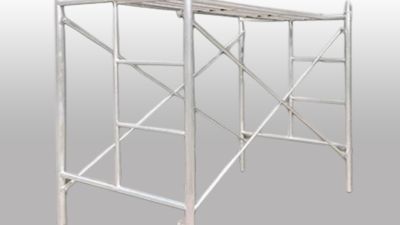
Hot dip galvanized steel H frame scaffolding provides a safer and more efficient working platform for bricklaying construction. Built from high-strength Q235 or Q345 steel, its rigid frame structure offers dependable load capacity and stability for workers, tools, bricks, and other materials. The galvanized surface helps protect the steel from rust and moisture, supporting long-term use in demanding outdoor and indoor environments.
Designed for practical jobsite operation, the H frame system uses quick-lock connections that can be assembled without specialized tools. This reduces setup time and labor requirements while allowing the scaffold to be adjusted as construction progresses. Wide, stable frames provide comfortable working space and help improve bricklaying productivity at different heights. Properly installed guardrails, platforms, access components, and base supports can further enhance on-site safety.
The scaffolding can also be selected alongside ringlock, cup lock, tube and clamp, or mobile tower systems for renovation, painting, maintenance, engineering work, events, and stages. Each component should undergo strict quality inspection and comply with applicable CE, ISO, and international construction requirements before use. Its durable structure and flexible configuration make it suitable for both short-term projects and repeated construction applications.
Measure the wall, access route, ground area, and working height. A narrow platform saves space but limits tool storage. A wider platform improves movement and needs stronger support. Ask a qualified professional to confirm load limits.
Standards, ledgers, braces, base plates, jacks, and platforms must share compatible dimensions. Check each joint by hand. Do not force connections. A forced joint may reveal a serious mismatch.
Guardrails, toe boards, ladders, stabilizers, couplers, ties, and anchors deserve careful selection. Toe boards help prevent dropped tools. Swivel couplers suit angled connections. Fixed couplers suit straight connections.
Request material grades, load tables, inspection records, dimensions, and replacement procedures. Compare sample pieces when possible. A clean weld and straight tube reveal useful details. Advertising alone is not enough.
Check couplers, base plates, packing, taxes, delivery, and unloading charges. Request itemized quantities and valid dates. A cheap package may omit essential parts. I once missed an unloading charge. That changed my checklist.
Confirm stock, dispatch dates, delivery windows, vehicle access, and damaged-item procedures. Match every shipment with its packing list. Photograph visible damage before signing. Split deliveries reduce storage pressure but may create missing-part problems.
A competent person should check tubes, couplers, boards, welds, threads, and edges. Look for bends, deep corrosion, cracks, flattened ends, and weak locking action. Record sizes, quantities, and defects. Quarantine questionable pieces immediately.
Store tubes on raised racks away from water and chemical residue. Keep boards level, supported, and covered with breathable protection. Fully sealed plastic can trap moisture. Remove hardened cement using approved methods. Recheck materials before use, after severe weather, and after alterations.
Buying Scaffolding Materials requires careful planning to ensure safety, efficiency, and long-term value. Start by understanding the differences between common material types and their applications, then assess the project’s site conditions, working height, load requirements, access needs, and expected duration. Before purchasing, verify that all materials meet recognized safety standards and have suitable strength, stability, corrosion resistance, and workmanship quality. Select compatible sizes, frames, platforms, braces, couplers, ladders, guardrails, and other accessories according to the project design.
It is also important to compare suppliers based on product consistency, total cost, warranty coverage, technical support, and delivery reliability rather than price alone. After receiving the order, inspect every component for damage, missing parts, or defects before use. Store materials in a clean, dry, organized area to prevent deterioration and make future inspections easier. Regular maintenance, timely replacement of damaged components, and proper records will help extend service life while supporting safe and efficient scaffolding operations.