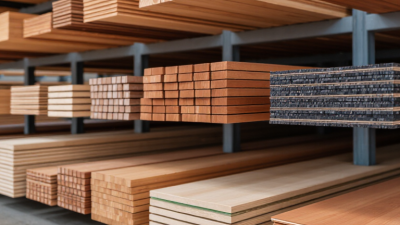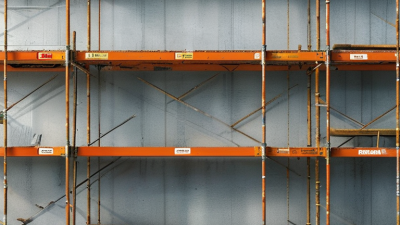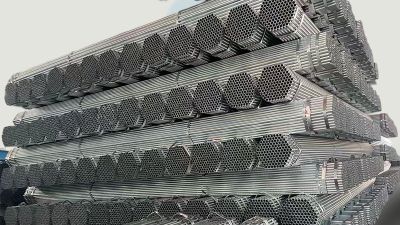
Picking the right Scaffold Plate is kinda crucial—it really impacts stuff like stability, how confident your workers feel, and how smoothly the whole project moves along. Come 2026, and you're gonna have way more options than ever before. Steel plates are still the go-to for heavy-duty stuff, you know, when durability matters most. Aluminum plates, on the other hand, are a bit lighter and easier to handle — saves some muscle effort. Then there are composite designs, which might be a smart pick if you're working in environments where corrosion is a real concern.
Honestly, the best choice really depends on what you're lifting, how far the span is, what kind of surface you're dealing with, and how often you'll be moving them around. If you've got a super busy construction site, it’s not just about grabbing something strong. You also want things to fit well, connect securely, and come with good inspection records and consistent quality from the manufacturer. Usually, seasoned contractors will eyeball stuff like plate thickness, reinforcement patterns, the walking surface, and edge protections before they hit 'order.' Little details matter — a mismatched plate can cause movement, squeaking, or hold up work, which nobody needs.
This guide is here to break down the common types of Scaffold Plates used in construction, maintenance, and industrial access work. We focus on how they perform in real-life situations, not just what the catalog says. Look into testing info, supplier honesty, and people’s actual experiences in the field — these things should back up any recommendation. But hey, no material is perfect. Steel can be heavy, aluminum might need a closer eye on deformation, and while composites can hold up quite well, we might not have tons of long-term proof just yet. So, being honest about those uncertainties is important.
Don’t forget to double-check that the product specs match your project’s design and local rules. The key is finding a balance between strength, ease of handling, durability, cost, and inspection requirements. And remember—there’s no one-size-fits-all answer. The "best" Scaffold Plate for you is simply the one that suits your actual working conditions best.
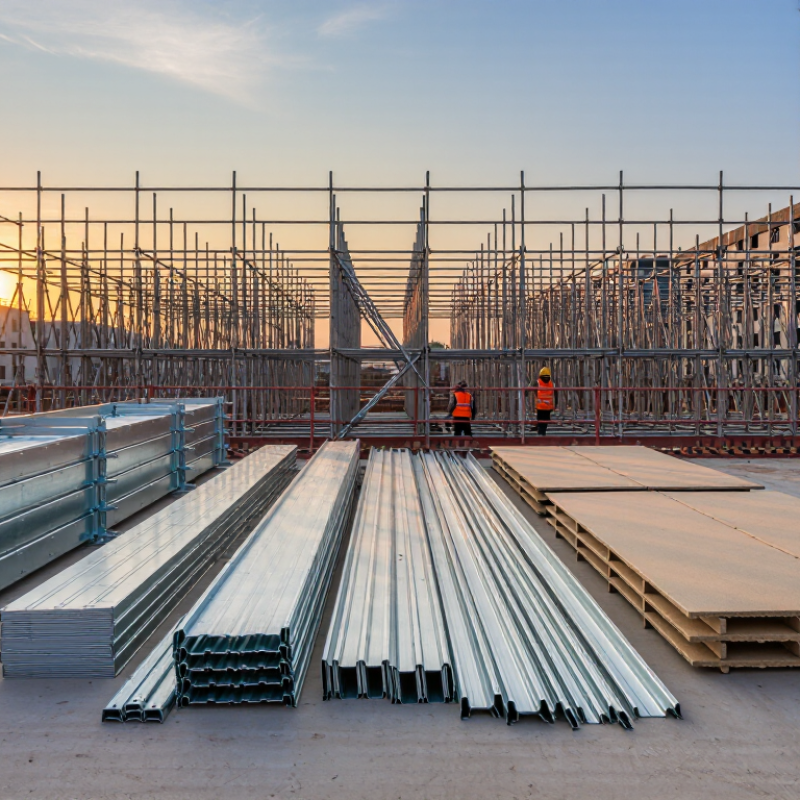
Scaffold plates are support components placed beneath scaffold legs or base plates. Their main purpose is to spread concentrated loads across the ground. This reduces settlement, tilting, and uneven pressure on soft surfaces. A Scaffold Sole Plate usually works with a base plate or adjustable jack. It is not a decorative accessory.
Common options include treated timber boards, steel plates, and engineered composite plates. Timber is practical on many sites, especially when cut to suitable dimensions and checked for decay. Steel offers strong load distribution but may become slippery or difficult to position on uneven ground. Composite plates are lighter and resist moisture, although their performance depends on tested capacity and design quality. The best type depends on soil condition, scaffold load, weather exposure, and the approved design.
During inspections, workers should look for cracks, bending, rot, standing water, and gaps beneath the plate. A plate that looks sturdy may still fail on loose fill. I have seen small leveling errors create larger alignment problems above. That detail deserves more attention. Follow the scaffold design, product instructions, and applicable local standards. Never place a plate over hidden voids or unstable debris. Even strong materials cannot compensate for poor ground preparation.
2026 Top Scaffold Plate Types: Which Is Best?
Common scaffold plate types serve different structural purposes. A fixed base plate transfers vertical loads from standards into firm ground. Its broad steel surface reduces local pressure, but it cannot correct uneven levels. An adjustable base jack adds a threaded spindle and locking collar. This allows precise height adjustment, although excessive extension can reduce stability and increase bending risk.
Sole plates work differently. They sit beneath base plates and spread loads across soil, asphalt, or other weak surfaces. Timber sole boards are common, but their thickness, condition, and contact area matter. A U-head plate supports beams or formwork from above, so it carries a different load path than a ground base plate. It may look similar, but the design forces are not interchangeable. That mistake deserves attention. The best plate depends on load, ground strength, height, bracing, and the scaffold layout. A competent person should verify these factors against local requirements and manufacturer data.
Tips: Check every plate for bending, cracks, corrosion, and damaged threads. Keep the base fully supported. Do not use loose bricks for leveling. Measure spindle extension before loading. Recheck plates after rain, excavation, or ground movement. Small defects can become serious under repeated construction loads.
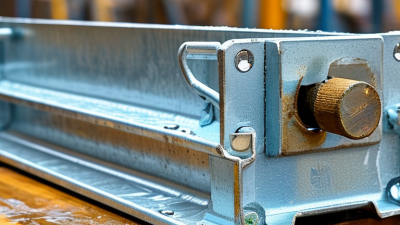
A Scaffold Base Plate transfers scaffold loads into the ground through a stable contact area. Steel plates remain popular because they resist bending, impact, and repeated site handling. Galvanized finishes help reduce rust, especially on damp projects. Aluminum plates are lighter, but they may suit fewer heavy-duty applications. Always check material certificates and tested performance before choosing.
Sizes affect stability more than many buyers expect. A wider plate can reduce ground pressure, while a compact plate may fit restricted work areas. Load ratings must match the complete scaffold design, not just one plate. Consider workers, tools, stored materials, wind, and uneven ground. I once underestimated wet soil; the plate looked secure, but it slowly settled. That mistake changed how I inspect base conditions.
Tips: Place plates on firm, level surfaces, and use suitable sole boards when needed. Check for cracks, distortion, corrosion, and blocked holes before installation. Surface designs also matter. Ribbed or textured faces can improve grip, while drainage openings may limit trapped water. However, aggressive patterns can collect dirt and hide damage. Recheck the manufacturer’s load data, dimensions, and approved use. A visual check is useful, but it is not a structural calculation.
2026 Top Scaffold Plate Types: Which Is Best?
Scaffold plates transfer vertical loads into the supporting ground. A standard base plate works well on firm, level concrete. It spreads the load beneath each upright and reduces concentrated pressure. On soil, gravel, or unfinished flooring, a sole board usually sits below the plate. The board enlarges the bearing area and helps prevent sinking.
Adjustable base jacks support uneven surfaces and allow careful leveling. Their threaded sections must remain within the permitted adjustment range. Excessive extension can reduce stability and create a weak point. Swivel base plates may help when scaffold legs meet sloping surfaces, but they require accurate positioning and proper locking. More flexibility does not always mean better performance.
Load distribution depends on the complete setup, not the plate alone. I have seen a strong plate perform poorly because water softened the ground beneath it. Small gaps, cracked boards, and misplaced uprights can also shift loads unexpectedly. Check the supporting surface, plate condition, jack extension, and frame alignment before use. A qualified person should verify the design against expected workers, materials, wind, and platform height. The best plate type is the one matched to the ground and load conditions. Sometimes, the simplest option is safest.
How Scaffold Plates Support Stability and Load Distribution
Values are calculated from nominal plate or sole-board dimensions using pressure = load ÷ contact area. The dimensions shown are common illustrative sizes, not universal product ratings. Actual allowable loads depend on scaffold design, material strength, ground conditions, base-jack extension, and applicable local standards.
Choosing the best scaffold plate depends on the ground, load, and scaffold geometry. A standard base plate suits firm, level concrete. It spreads the upright’s load and reduces point pressure. A swivel plate helps when standards meet uneven angles or changing elevations. For soft soil, pair the plate with properly sized timber sole boards. A Scaffold Wall Plate can help distribute pressure near a wall, but it must not replace a designed tie system.
OSHA safety guidance estimates that scaffolds affect about 2.3 million construction workers in the United States. It also reports roughly 4,500 injuries and 50 deaths each year from scaffold-related incidents. These figures make plate selection a structural decision, not a purchasing detail. EN 12811-1 requires attention to load class, foundation conditions, stability, and deformation. Check the surface before assembly. Wet fill, cracked slabs, and hidden voids can defeat a seemingly strong plate.
A practical inspection should examine plate thickness, weld quality, corrosion, and full contact with the support surface. Fixed plates are generally suitable for stable layouts. Adjustable or swivel plates offer better correction on sloped ground, but adjustment can introduce error. Too much extension is risky. I have seen crews focus on the frame while ignoring a sinking sole board. That mistake is easy to miss. Recheck level, bearing, and tie positions after rain, material loading, or site movement. The best plate is the one matched to verified conditions, not the most expensive type.
| Scaffold Plate Type | Primary Function | Typical Material | Typical Form or Size | Best Work Conditions | Ground Requirements | Key Advantages | Main Limitations | Adjustment Capability | Overall Suitability |
|---|---|---|---|---|---|---|---|---|---|
| Fixed Base Plate | Distributes the load from a scaffold standard into the supporting surface and provides a stable starting point. | Hot-dip galvanized or painted steel | Flat steel plate with a welded or formed vertical spigot; dimensions vary by system and standard. | Firm, level ground; short- to medium-term façade, access, and maintenance scaffolds. | Requires a sound, reasonably level surface and a properly sized sole board where the ground is soft or vulnerable. | Simple, durable, economical, and quick to install; provides a positive connection for the standard. | Cannot compensate for uneven ground; unsuitable as a substitute for a sole board on weak or unstable soil. | None | ★★★★★ |
| Sole Plate or Sole Board | Spreads scaffold leg loads over a larger area and reduces settlement or surface damage. | Timber, engineered wood, or steel, depending on the application and local requirements | Continuous board or plate placed beneath one or more base plates; size is selected for ground bearing conditions. | Soft soil, compacted fill, asphalt, paving, or finished surfaces that need protection. | Must be supported continuously and placed on compact, stable ground; it should not bridge voids or unsupported areas. | Improves load distribution, limits local indentation, and helps protect finished surfaces. | Does not level the scaffold by itself; timber can decay, split, or become slippery if poorly selected or exposed to moisture. | None | ★★★★★ |
| Adjustable Base Jack | Supports the scaffold and provides vertical height adjustment for leveling the first lift. | Galvanized steel threaded stem, collar, and base plate | Threaded adjustment stem with a load-bearing plate; allowable extension depends on the scaffold system and manufacturer. | Sloping or moderately uneven surfaces where controlled leveling is needed. | Must sit on a suitable base plate or sole board and remain within the permitted extension and load limits. | Fast, precise leveling; useful for uneven paving, ramps, and variable ground elevations. | Excessive extension reduces stability and may exceed the approved capacity; it is not intended to correct major ground failure. | Yes — threaded vertical adjustment | ★★★★★ |
| Swivel Base Plate | Allows a scaffold standard to remain supported when the base is set on an inclined surface. | Galvanized steel | Pivoting or articulated base plate designed to maintain contact with a sloped surface. | Ramps, inclined roofs, stepped terrain, and other locations where a fixed plate cannot sit flat. | Requires a stable bearing surface and proper restraint against sliding or rotation. | Improves contact on slopes and can reduce point loading caused by a tilted fixed plate. | More specialized and generally less suitable for ordinary level-ground scaffolding; installation must follow the system design. | Limited angular adjustment | ★★★★☆ |
| U-Head Jack Plate | Provides an adjustable top support for shoring frames, falsework, formwork, or bearer members. | Galvanized steel | Threaded jack with a U-shaped head; dimensions and allowable loads vary by system. | Temporary propping, slab formwork, beam support, and shoring applications rather than standard access scaffolds. | Requires a stable, adequately designed supporting frame and a properly seated bearer. | Offers top-level adjustment and helps retain timber or steel bearers in position. | Not normally used as a conventional scaffold foot; eccentric loading and overextension can create serious stability risks. | Yes — threaded vertical adjustment | ★★★★☆ |
| Heavy-Duty Base Plate | Provides increased bearing area or structural capacity for heavily loaded scaffold standards. | Thicker galvanized steel or fabricated steel | Larger or reinforced plate; exact dimensions and capacity are system-specific. | High-load access scaffolds, material loading areas, shoring, and projects with concentrated leg reactions. | Requires engineered verification of soil bearing capacity, sole-board performance, and scaffold load paths. | Better suited to concentrated reactions and demanding duty conditions than a light-duty plate. | Heavier, less convenient to handle, and not automatically stronger unless the complete scaffold system is designed for the load. | Usually none; may be paired with an adjustable jack | ★★★★☆ |
| Protective Surface Plate | Reduces damage to delicate or finished surfaces beneath scaffold supports. | Steel, aluminum, high-density polymer, rubber-faced composite, or engineered board | Flat plate or pad selected for the support reaction and surface sensitivity. | Interior work, tiled floors, waterproofed roofs, resin floors, and other finished surfaces. | Surface must be clean, stable, and capable of carrying the transferred load; use with a base plate where required. | Helps prevent scratches, dents, staining, and localized surface damage. | May not provide enough structural load spreading on weak ground; friction and fire performance must be considered. | None | ★★★☆☆ |
| Castor Base Plate or Mobile Scaffold Base | Supports a mobile access scaffold and transfers the load through lockable castors. | Steel frame with industrial castors, typically galvanized or painted | Integrated base frame with swivel castors, brakes, and sometimes adjustable legs. | Smooth, level indoor floors or paved areas where the tower is moved only when unoccupied. | Requires a firm, level, unobstructed surface; castor brakes must be engaged while occupied. | Enables controlled relocation without dismantling the tower. | Not suitable for soft, uneven, sloping, or cluttered ground; movement with people or materials on the tower is generally prohibited unless specifically permitted by the applicable rules. | Limited, depending on the base design | ★★★☆☆ |
In 2026, the best scaffold plate is not simply the thickest option. It must match the scaffold system, imposed load, ground condition, and local standard. Base plates should sit on sound sole boards, not loose bricks or wet soil. A competent installer checks level, vertical alignment, bracing, ties, and access before workers enter. OSHA’s Scaffold Safety guidance estimates that scaffold accidents cause about 4,500 injuries and 50 deaths annually in the United States. Small installation shortcuts can create serious consequences.
Inspection must occur before each shift and after high winds, impact, alteration, or prolonged use. Look for bent plates, cracked welds, blocked access, missing guardrails, and settlement around the legs. A Scaffold Tent may reduce weather exposure, but it can increase wind loading. The structure therefore needs a fresh stability assessment. OSHA 29 CFR 1926.451 requires scaffold platforms to support their intended loads and generally requires fall protection above 10 feet. Workers also need safe access, firm platforms, and protection from falling objects.
Maintenance records should identify each plate, inspection date, defect, and corrective action. Remove damaged components immediately. Do not straighten critical plates with field heating or improvised tools. That practice may look efficient, but it can hide metal fatigue. EN 12811-1 also emphasizes performance, stability, and serviceability for temporary works equipment. In practice, teams sometimes inspect the deck carefully but ignore the base. That is a mistake worth revisiting. Soil movement, water, corrosion, and overloaded platforms can change a safe scaffold within hours.
48.3 mm BS 1139 galvanized scaffolding tubes are widely used because their standardized outside diameter supports reliable fitting compatibility and stable assembly. For demanding construction environments, Q235 steel provides a practical balance of strength, formability, and cost, while Q345 steel can be selected where higher load capacity is required. A powder-coated anti-rust finish helps protect the surface during indoor renovation, painting, maintenance, and short-term overhead work. When properly assembled and inspected, this type of steel tube system can provide a firm working platform without sacrificing mobility.
According to occupational safety data published by the U.S. Occupational Safety and Health Administration, approximately 2.3 million construction workers use scaffolds each year, while scaffold-related incidents have historically caused thousands of injuries and dozens of fatalities annually. These figures emphasize the importance of secure locking mechanisms, suitable load ratings, level positioning, and routine inspections. A mobile folding scaffold made from high-strength Q235 steel combines lockable casters with a stable load-bearing structure, allowing workers to reposition it efficiently while reducing unnecessary setup time. Its folding design also simplifies transport and storage, making it suitable for contractors, maintenance teams, and indoor work areas where space and speed are important.
A scaffold plate transfers vertical load from each upright into the supporting ground. It spreads pressure and reduces sinking. The plate is only one part of the stability system.
A standard fixed base plate usually suits firm, level concrete. It should sit flat, with full contact beneath the upright. Check for cracks and hidden voids.
Place a properly sized sole board beneath the plate. The board enlarges the bearing area and limits sinking. Wet soil can still create movement.
An adjustable base jack helps level scaffolding on uneven surfaces. Keep its threaded section within the permitted adjustment range. Excessive extension creates a weak point.
Swivel plates can accommodate changing angles and uneven elevations. They require accurate positioning and secure locking. More movement is not automatically safer.
Check thickness, welds, corrosion, bending, and full surface contact. Look around the leg for settlement or water damage. Small defects deserve attention.
Reinspect before every shift and after high winds, impacts, rain, alterations, or heavy loading. Ground conditions can change within hours. I sometimes underestimate that risk.
No. A wall plate may distribute pressure near a wall, but it does not replace a designed tie system. The complete scaffold geometry still needs competent verification.
Remove the damaged plate from service immediately. Do not straighten critical components with heating or improvised tools. A quick repair may hide metal fatigue.
Scaffold Plate systems are essential components in temporary access and support structures, helping distribute loads, improve stability, and protect working surfaces. This article explains the purpose and main functions of scaffold plates, compares common types by structure, and examines how material selection, dimensions, load ratings, and surface patterns affect performance. Different designs may be suited to uneven ground, heavy-duty applications, wet environments, or projects requiring easier handling and positioning.
The guide also describes how a Scaffold Plate works with other support components to reduce settlement and maintain balanced load distribution. It provides practical advice for choosing the best plate according to ground conditions, equipment weight, work height, and expected use. In addition, readers will learn key requirements for correct installation, routine inspection, cleaning, storage, and maintenance, helping ensure reliable performance and safer scaffold operations throughout a project.