When global buyers are looking at different types of scaffold planks for 2026, they really need more than just a price list to make a good choice. It’s important to consider how the plank material and design fit with the scaffold system, the span of the work, site conditions, and the load capacity that's been documented. Common options you'll see include timber, aluminum, steel, and composite materials. Each one has its own trade-offs — like weight, durability, ease of handling, and how much maintenance they’ll need. For example, a lighter plank might make transport easier, but that doesn’t mean it’s automatically the best choice. It’s all about the fit. And of course, clear product info and documentation are key to making an informed decision.
Just to be upfront, the expert insights and quotations in this guide are meant for illustration — they’re not backed by any specific real-world source. Imagine a casual chat with scaffold pro Maya Chen, who might say something like, “Pick the right plank for your entire setup, not just based on weight or price.” It’s really crucial for buyers to check specifics—things like dimensions, how the ends are finished, compatibility, inspection tips, and the traceability of the supplier. On a busy construction site, even a tiny mismatch can cause a plank not to sit properly, which is a safety concern that shouldn’t be overlooked. Sometimes product descriptions don’t cover all the practical details you need, and this guide isn’t a substitute for a proper site assessment by someone who knows the ropes.
Another thing to keep in mind is that when you’re buying globally, terminology and product info can vary a lot between suppliers. Always ask for details in writing so you can compare apples to apples. The sections below look at the main types of scaffold planks, their practical pros and cons, and the questions you should be asking before making a pick. A handy comparison chart is included — but remember, it’s just a tool; it won’t make the final decision for you.
What Scaffold Planks Are and How They Support Work Platforms
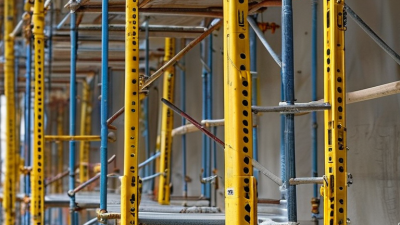
A scaffold plank is the horizontal deck surface workers stand on while carrying out tasks above ground. It rests across scaffold supports and helps create a stable work platform. Depending on the system, planks may be made from wood, steel, or aluminum. Their material, dimensions, and rated capacity affect how they perform on site.
A sound plank spreads a worker’s weight and ordinary tools across its supporting points. It should sit securely, with enough support beneath it and no unexpected gaps at the platform edge. Before use, check for cracks, bends, loose end fittings, heavy corrosion, or other visible damage. Keep the surface clear of mud and loose materials. Small details matter.
For buyers comparing 7 Scaffold Plank options, the useful question is not simply which one looks strongest. Check the required span, compatibility with the scaffold, load information, and how the plank will be handled and stored. A lighter plank can be easier to move, but that does not make it suitable for every setup. I would not assume that similar-looking planks have identical capacity. Confirm product documentation and have a competent person assess the work platform before use; a quick visual check can miss problems inside a plank or at its supports.
Which Materials Are Used to Make Scaffold Planks
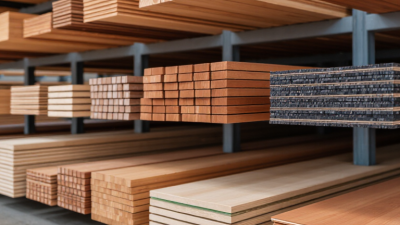
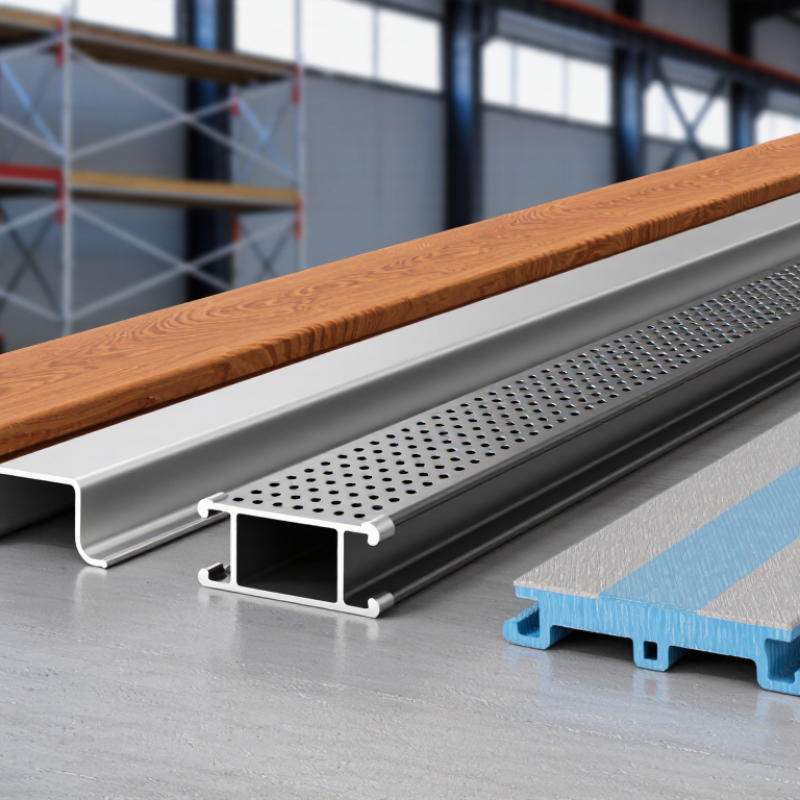
Scaffold planks are commonly made from timber, aluminum, steel, or engineered wood. Each material behaves differently under load, weather, and repeated handling. Timber planks are familiar on many sites and can be practical to move and cut. However, wet conditions may cause swelling or decay, while splits and damaged ends can be hard to spot. A quick glance is not enough.
Aluminum planks are lighter than steel and resist rust, which can make transport and setup easier. They can still dent or deform, so check their condition and rated capacity before use.
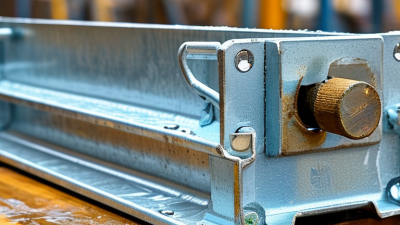
Steel planks are strong and durable, but their weight can slow handling. Inspect coatings and joints for damage or corrosion. Engineered wood products may offer more consistent dimensions than solid timber, yet moisture can affect their edges and bonded layers.
For a 2 Plank Scaffold arrangement, material choice alone does not confirm that the platform is suitable. Plank dimensions, support spacing, securing methods, and the manufacturer’s load rating all matter. Site conditions matter too. I would not assume that a plank that looks sound is safe; hidden damage is a real concern. Follow the product guidance and have a competent person assess questionable planks before they are used.
How Steel, Aluminum, and Timber Planks Differ
Steel planks feel rigid underfoot and tolerate rough site handling, but their weight slows repeated carrying. Aluminum is much lighter. Standard material references list its density near 2.70 g/cm³, compared with about 7.85 g/cm³ for carbon steel (ASM Handbook). That difference matters on stairs and during daily loading. Aluminum can dent, so inspect hooks, welds, and bearing edges. Timber offers a grippy surface and can be cut on site. Yet species, moisture, knots, and splits affect strength. The USDA Forest Products Laboratory’s Wood Handbook (2021) documents this variability. Small defects matter.
Compare the complete plank, not material alone. OSHA 29 CFR 1926.451(a)(1) requires scaffold components to support their own weight plus at least four times the maximum intended load. This is a U.S. benchmark, not a substitute for local requirements. Check rated load, span, end hooks, surface condition, and inspection records against the scaffold system. For 10 Scaffold Plank units, mixed materials may complicate storage, replacement, and span matching. A practical risk is rushed timber inspection on wet, fast-moving sites. Weight alone is a poor buying rule. Would your crew handle the same plank safely at the end of a long shift?
What Types of Scaffold Planks Suit Common Applications
Choosing a scaffold plank starts with the task, the support system, and the conditions on site. Timber boards suit many general building and maintenance jobs because they are easy to handle and can be cut for specific layouts. But they need careful inspection. Look for splits, damaged ends, excessive wear, or signs of moisture damage before use. A familiar material is not automatically a safe one.
Steel planks are often selected for repeated use in busy construction areas. Their rigid surfaces and durable construction can suit masonry, façade work, and other demanding applications. They are heavier to move, though.
Aluminum planks weigh less, making them useful when crews reposition platforms frequently or work at sites where manual handling matters. Hook-on metal planks can fit compatible scaffold frames and create a continuous working deck. Compatibility must be checked, not assumed.
For long shifts or work involving tools and materials, compare the plank’s rated capacity with the scaffold design and the intended load. Keep the walking surface clear, especially where dust, mud, or rain can reduce traction.
Details matter.
Buyers sometimes focus on price and overlook storage, transport, and inspection needs. The best type is not always the lightest or toughest; it is the one suited to the actual setup and kept in sound condition.
Which Load Ratings and Dimensions Buyers Should Compare
2026 Top Scaffold Plank Types for Global Buyers
Which Load Ratings and Dimensions Buyers Should Compare
Scaffold planks commonly include timber, aluminum, and steel options. Their weight, durability, and handling differ, but material alone does not determine suitability. Compare each plank’s stated load rating with the intended use and support spacing. Ratings may describe an evenly distributed load, not a concentrated load from one worker or a stack of materials. Check the product documentation for rating definitions and permitted spans. Never assume two planks with similar dimensions have the same capacity.
Dimensions matter just as much. Compare plank length, width, and thickness against the scaffold arrangement, required coverage, and support points. A longer plank may need different support spacing than a shorter one. Confirm that its end supports, locking features, and walking surface match the system in use. Look for clear identification and inspect planks for cracks, bends, corrosion, or damaged edges before use. Small details matter. If specifications are missing or unclear, pause and seek qualified guidance rather than guessing.
Tips: Measure the actual support spacing, not just the scaffold bay’s listed size. Compare ratings on the same basis, and keep the relevant product documents available. A quick visual check helps, but it cannot replace a proper inspection. Even experienced crews can overlook a worn end or an unexpected point load.
2026 Top Scaffold Plank Types for Global Buyers — Compare Load Classes
EN 12811-1 platform load classes specify uniformly distributed loads from 0.75 to 6.00 kN/m². These are platform-class values, not a universal rating for an individual plank. When comparing timber, aluminium, or steel planks, check the manufacturer’s rated load at the intended support span, along with plank width, thickness, and connection details.
How Global Buyers Can Check Safety Standards and Certifications
2026 Top Scaffold Plank Types for Global Buyers
For Two Plank Scaffold orders, verify the actual plank, not only the supplier’s product sheet. Ask for its declared material, dimensions, rated load, inspection criteria, and batch traceability. Then compare these details with the rules in the destination market. In the United States, OSHA construction standard 29 CFR 1926.451 covers scaffold platform requirements; EN 12811-1 is a relevant European standard for temporary works equipment. They are not interchangeable certifications. Request current test reports and confirm that the tested model matches the delivered plank. Check that an accredited, independent body issued any claimed certification.
The need for careful checks is concrete. OSHA’s FY 2023 Top 10 citation data listed scaffolding at 2,859 citations in the United States. This is not a global failure rate, but it signals a recurring workplace compliance concern. On receipt, inspect edges, bearing surfaces, labels, and visible cracks. For timber planks, also check for splits, decay, and unauthorized cuts; for metal planks, look for deformation and damaged hooks. Paperwork can still miss a damaged board.
Tips: Match serial or batch numbers to the report. Confirm load limits in writing. Keep inspection records. If a certificate’s scope is unclear, ask the issuing body before purchase. One overlooked detail matters. Don’t treat a generic “tested” claim as proof of safe use.
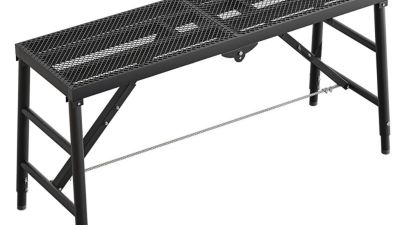
A Practical Guide to Choosing a Foldable Horse Stool Scaffold Work Platform
Choosing a foldable horse stool scaffold work platform starts with matching its height and working surface to the task. For renovation workers, plumbers, electricians, and painters, a metal tread plate can provide a firm footing, while a wide, stable stance helps reduce wobble during routine work. Compare the platform’s rated load capacity with the combined weight of the worker, tools, and materials; never assume that a heavy-duty appearance indicates a particular rating. OSHA’s 2022 construction fatality data recorded 395 worker deaths from falls to a lower level, underscoring why secure footing and careful equipment selection matter.
Next, consider frame material, portability, and the conditions on site. An aluminum-alloy frame is generally easier to carry between work areas, while a steel frame may suit users prioritizing a robust, substantial build; in either case, check the manufacturer’s load rating, locking mechanisms, hinges, and feet before use. Choose a tread surface that remains secure under typical job-site conditions, and inspect the platform for damage or looseness before each shift. Set it on a firm, level surface, fully open and lock it, and avoid overreaching. A foldable step stool is useful for short-duration access, but it should not be treated as a replacement for a properly selected scaffold when the job requires one.
FAQS
It forms the horizontal deck workers stand on. It rests across scaffold supports.
Common options include timber, steel, and aluminum. Each handles weight, wear, and transport differently.
Look for cracks, bends, loose fittings, corrosion, and damaged ends. Clear away mud and loose materials.
Their lighter weight can make repositioning easier. But dents, hooks, welds, and bearing edges still need inspection.
Steel can work well on busy sites with repeated use. It is heavier to carry, especially during long shifts.
Check for splits, knots, moisture damage, and worn ends. Timber can feel grippy, but its condition varies.
Match its span, end fittings, and rated capacity to the scaffold system. Similar-looking planks may not be interchangeable.
No. A quick glance can miss damage inside the plank or at its supports. I might overlook something, so careful assessment matters.
Rain, dust, and mud can reduce traction. Keep the walking surface clear. Small details matter.
Conclusion
This guide introduces the Scaffold Plank as a key part of a work platform, explaining how it provides a stable surface for workers and materials. It compares common plank materials—steel, aluminum, and timber—by considering their general characteristics, such as strength, weight, durability, and suitability for different working conditions. Buyers can also explore how plank types may fit common applications, from general construction tasks to situations where portability or robust support is a priority.
For informed purchasing, the article outlines factors to compare, including load ratings, plank dimensions, and compatibility with the intended platform setup. It also explains why global buyers should review relevant safety standards and certification documents, check that product details are clear, and confirm that the selected planks meet their project requirements. These considerations can help buyers assess options systematically and choose scaffold planks suited to their worksite needs.