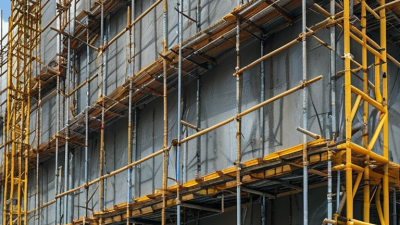
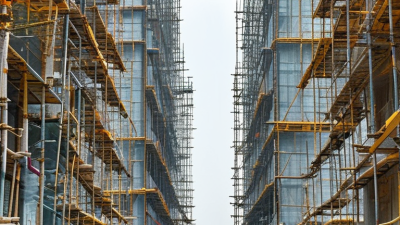
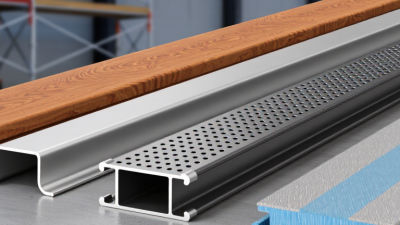
Picking the right Hydraulic Scaffolding system? Honestly, it’s almost never just about comparing prices. If you're buying globally, you’ve got to look at lifting height, platform capacity, how long installation takes, transport dimensions, and whether you can get local service support. And here’s the thing: a system that shines on a big commercial project might really struggle on a tight renovation site.
Dr. John H. Hinze, a well-respected construction-safety researcher, once put it simply: “Safety should never be traded for speed.” That idea really comes into play when you’re comparing mast-climbing platforms, hydraulic lifting scaffolds, self-climbing systems, suspended hydraulic platforms, and modular access towers. Each one asks different things of your foundations, anchors, controls, emergency lowering setup, and operator training.
Small details matter, too. Check for clearly marked load ratings, guarded platforms, stable outriggers, tested hydraulic hoses, and maintenance records you can actually read. Ask whether the supplier can provide spare valves, remote-control support, and replacement seals near your market. Those little things can be the difference between a system that keeps working after months of dust, rain, and rough handling—and one that doesn’t.
This guide walks through seven leading Hydraulic Scaffolding systems for global buyers. It focuses on real-world work conditions, not just shiny brochure specs. That said, “best” is a pretty imperfect label. No single platform fits every building, climate, crew, or budget. Before you buy, have qualified engineers verify the technical data and confirm it meets the local standards that apply. That extra step might feel slow. But it can save you from some very expensive mistakes.
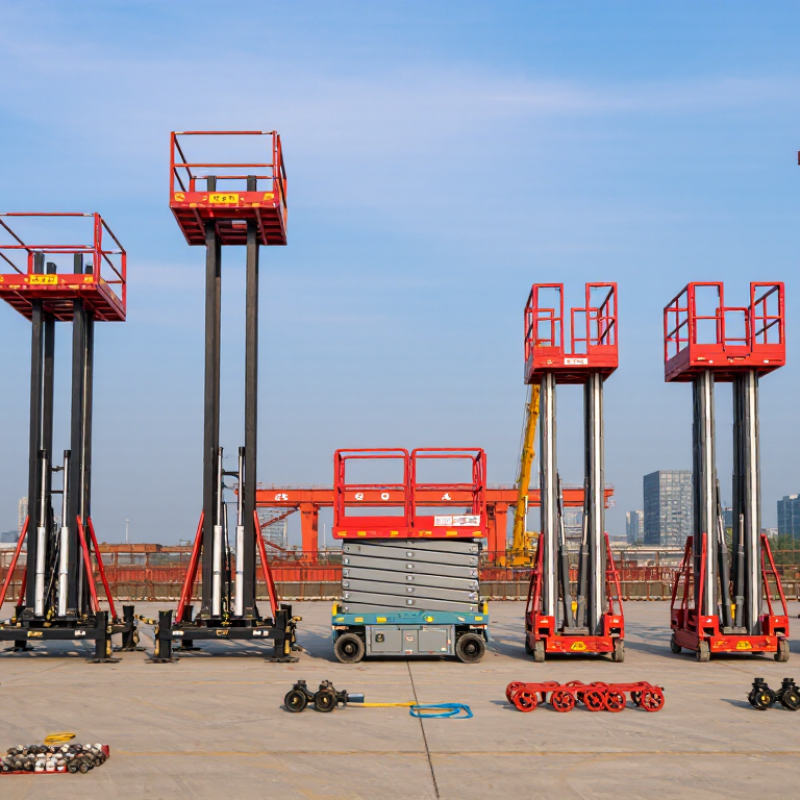
Hydraulic Scaffolding Selection Criteria: EN 12812 Load Classes and Safety Factors
For global buyers, hydraulic scaffolding selection should begin with EN 12812, not brochure claims. The standard addresses temporary supporting structures and their ability to resist construction loads safely. It requires engineers to define load cases, stability conditions, materials, connections, and foundation behavior.
Load classes matter in real working conditions. A light slab pour may create steady vertical pressure, while fresh concrete, workers, pumps, and stored materials can produce uneven loading. Wind can also act on partially completed structures. Check the specified load class against the project design, not only the platform’s rated capacity. Design values should follow EN 12812, relevant Eurocodes, and the applicable national annex. Safety factors are not always one universal number. They depend on permanent loads, variable loads, instability risks, and the chosen verification method.
During inspections, measure base settlement and inspect hydraulic locks, pins, frames, and bracing. A small tilt at the base can become serious near the working height. The foundation needs adequate bearing capacity and drainage. Never treat a Mobile Scissor Lift Electric Scissor Lift Hydraulic Scissor Lift Scissor Lift Platform Self-Propelled Scissor Lift as equivalent to engineered falsework. They serve different applications and standards. In practice, suppliers sometimes provide incomplete load tables. That is a warning sign. Ask for calculations, test records, inspection procedures, and clear operating limits. I have found that simple drawings often hide complicated load paths. Review them carefully.
System 1: Hydraulic Climbing Scaffolds for High-Rise Construction
For high-rise projects, hydraulic climbing scaffolds provide a controlled path upward. The platform rises along embedded rails, reducing crane dependence between floor cycles. On a typical concrete frame, crews can lift the platform after wall sections reach the required strength. Workers then handle rebar, formwork, and edge protection from a stable working deck. That rhythm matters.
A reliable system begins with structural calculations, not equipment selection alone. Engineers verify anchor positions, concrete strength, platform loads, and possible wind pressure. Before each lift, crews inspect hydraulic hoses, locking pins, guide rails, and emergency controls. Wind readings should be recorded near the platform, not guessed from ground conditions. When conditions change, work stops. A supervisor should document every lift and correction.
Unlike a Hydraulic Scissor Lift, this scaffold climbs vertically with the building rather than serving as a mobile floor-level platform. The distinction affects access planning, rescue procedures, and daily inspections. Hydraulics are not magic. Seal wear, uneven loading, or a blocked rail can create dangerous movement. On projects I have reviewed, small alignment errors caused repeated delays. The lesson is uncomfortable: installation quality can matter as much as equipment capacity. No site is perfectly predictable. Teams should allow time for rechecking anchors, clearing debris, and questioning a rushed lift.
System 2: Self-Climbing Platforms with Typical 2–5 m Climbing Strokes
Self-climbing platforms use hydraulic cylinders to raise working decks along anchored rails or climbing brackets. Typical climbing strokes range from 2 to 5 metres. This range suits many floor-to-floor construction cycles.
A 2-metre stroke offers tighter control around congested façades and irregular floor levels. A 5-metre stroke can reduce climbing frequency on taller, repetitive structures. However, longer strokes demand stronger anchors, greater hydraulic stability, and careful movement coordination. The platform should climb evenly, not merely quickly. Uneven lifting can stress rails, anchors, and temporary connections.
Before each cycle, trained crews should check cylinder seals, hoses, locking devices, guide shoes, and platform loading. Wind readings matter, especially when the deck is elevated beside open floors. Load calculations must include workers, tools, formwork, stored materials, and possible impact forces. A clear communication signal prevents one operator from moving ahead of the others.
Procurement teams should request stroke data, rated loads, anchor details, inspection records, and emergency lowering procedures. Installation tolerances also deserve attention. Small alignment errors can become serious after repeated climbs. In practice, the fastest system is not always the most productive. A short delay for inspection may protect the entire lifting cycle. Some projects overestimate the value of a 5-metre stroke. That assumption needs review. Reliable performance depends on structure, crew discipline, weather planning, and maintenance quality.
System 3: Hydraulic Shoring Towers for Heavy Concrete Loads
Hydraulic shoring towers support heavy concrete loads during slab and beam construction. They transfer wet concrete weight through jacks, frames, and baseplates into the ground. This system suits deep floor levels, bridge decks, and large transfer beams. On a busy site, stable towers reduce deflection and keep working platforms aligned. I have seen small setup errors create noticeable movement. Concrete does not forgive guesswork.
A qualified engineer should verify load paths, tower spacing, jack capacity, and foundation strength. Hydraulic pressure must match the approved calculation, not a worker’s quick estimate. Settlement monitoring is essential when soil conditions change after rain. Crews should check vertical alignment before each major pour and inspect pins, braces, hoses, and locking devices. Pressure readings can look normal while a weak base slowly sinks. That possibility deserves attention.
Tips: Use spreader plates beneath every adjustable leg. Keep hoses protected from sharp edges and traffic. Record pressure readings, settlement, and inspections. Never release hydraulic pressure suddenly. Leave access around each tower for safe checks. Technical searches for Scaffolding from JinKe should still be compared with engineering drawings, test data, and local site requirements. A practical review may reveal an overlooked connection or an overconfident assumption.
System 5: Hydraulic Ringlock Scaffolds for Complex Industrial Structures
Hydraulic ringlock scaffolds suit complex industrial structures where fixed access towers cannot follow changing geometry. Their rosettes, adjustable jacks, and hydraulic lifting units help crews create platforms around tanks, turbines, pipe racks, and curved vessels. The system can rise in controlled stages, reducing repeated dismantling work. Yet hydraulic movement does not remove basic scaffold risks. OSHA estimates that scaffolding accidents cause about 4,500 injuries and 50 deaths each year in the United States. That figure still deserves attention.
For global buyers, the critical checks are load calculations, base stability, locking-pin engagement, and hydraulic synchronization. EN 12811-1 provides performance guidance for temporary works equipment, including strength and serviceability requirements. An experienced engineer should verify wind exposure, uneven ground, suspended loads, and access routes before installation. Small height differences can create large forces. I would not rely on supplier drawings alone; site conditions often disagree with clean design assumptions.
Tips:
Request independent inspection records and a component traceability file. Test every hydraulic circuit before loading workers or materials. Keep platforms clear near lifting zones. Train crews to stop movement when communication fails. The Health and Safety Executive repeatedly identifies poor planning and inadequate supervision as major contributors to construction incidents. A practical warning: ringlock systems look simple, but complex industrial geometry makes mistakes harder to see. Generic layouts are convenient, not always correct.
System 7: Global Compliance Checklist: OSHA, EN 12811, and ISO 9001 Requirements
A hydraulic scaffolding system needs more than lifting power. It needs documented control. OSHA 1926.451 requires supported scaffolds to hold at least four times their intended load. It also requires a stable base, safe access, guardrails, and competent-person inspections. Hydraulic cylinders, hoses, and locking pins should be checked before every shift. A small oil leak can become a serious stability problem.
EN 12811-1 evaluates temporary works equipment through structural design, service loads, deflection, and safety factors. Its load classes range from 0.75 to 6.00 kN/m². Buyers should request calculations showing the selected class, platform width, wind assumptions, and maximum working height. ISO Survey 2023 reported 1,265,216 ISO 9001 certificates across 189 countries and economies. However, ISO 9001 confirms a quality management system, not automatic scaffold safety. That distinction is often missed.
Tips: Ask for current test reports, material traceability, welding records, and inspection forms. Confirm that documents match the delivered model. Require operator training records and emergency-lowering procedures. Local rules may add stricter requirements than OSHA or EN 12811. That part needs careful review. A practical audit should include a real assembly trial, not paperwork alone. Suppliers should record nonconformities honestly, even when corrections delay delivery. Perfect compliance on paper can still fail at a crowded jobsite.
Conclusion
Choosing the right Hydraulic Scaffolding system requires a clear understanding of project height, load demands, access requirements, and regional safety regulations. This guide compares seven practical system types, including hydraulic climbing scaffolds for high-rise work, self-climbing platforms with 2–5 m climbing strokes, heavy-duty shoring towers for concrete construction, mast-climbing platforms supporting up to 2,000 kg, ringlock systems for complex industrial structures, and suspended platforms for façade access. Each option is evaluated according to stability, lifting performance, flexibility, installation efficiency, and working conditions.
The selection process also highlights EN 12812 load classes, suitable safety factors, and the importance of engineered verification before use. For international buyers, a compliance checklist covering OSHA, EN 12811, and ISO 9001 requirements can support safer procurement and more consistent quality control. By matching system design with structural loads, site conditions, maintenance capabilities, and local regulations, buyers can achieve reliable performance, improved worker protection, and efficient project execution across different construction environments.