When global buyers are choosing the right Scaffold Plank, it’s not just about hunting for the lowest price. Sure, cost matters, but there’s more to the story—things like how it handles different loads, resists moisture, stays stable on the surface, and how reliably it can be supplied. I mean, a plank that works great in a dry warehouse might not cut it next to a humid coastal site, right?
Robin James, the CEO of the National Access and Scaffolding Confederation, has a good point when he says, “Good scaffolding begins with good decisions before anyone even climbs.” It’s the same rule that applies when you’re shopping internationally. You really want to look into the plank’s material, size, edge condition, slip resistance, testing history, and how transparent the manufacturer is about their processes. And don’t forget to ask how they handle moisture, warping, splitting, or damage during packaging — these little things can make a big difference.
It honestly matters quite a bit.
Reputable manufacturers like BrandSafway show the value of having solid, documented quality systems and consistent product specs. But, no matter the brand, you shouldn’t just assume everything’s perfect. A responsible buyer would ask for samples, check out the grain or composite structure, review test reports, and see how the product performs under the specific climate conditions of your project.
Remember, the strongest scaffold plank isn’t always the thickest or the most expensive one. It’s about finding the right fit for your platform, expected loads, handling, and local conditions. And don’t forget to think about storage after it arrives—forgetting that can seriously impact performance before you even set it up.
In this guide, I’ll compare timber, engineered wood, and composite options for international sourcing. We’ll look at safety proof, lifecycle value, packaging, communication with suppliers, and after-sales support. Keep in mind, no guide is perfect—every project is different. But asking the right questions and doing your homework really helps you make smarter buying choices and cuts down on unnecessary worries.
What Is a Scaffold Plank and Why Does It Matter?
A scaffold plank is a working platform placed across scaffold frames. It supports workers, tools, and sometimes light materials. Its quality directly affects balance, movement, and daily job safety. In field inspections, I look for straight edges, clean surfaces, secure end fittings, and visible damage. A plank that feels solid can still contain hidden weakness.
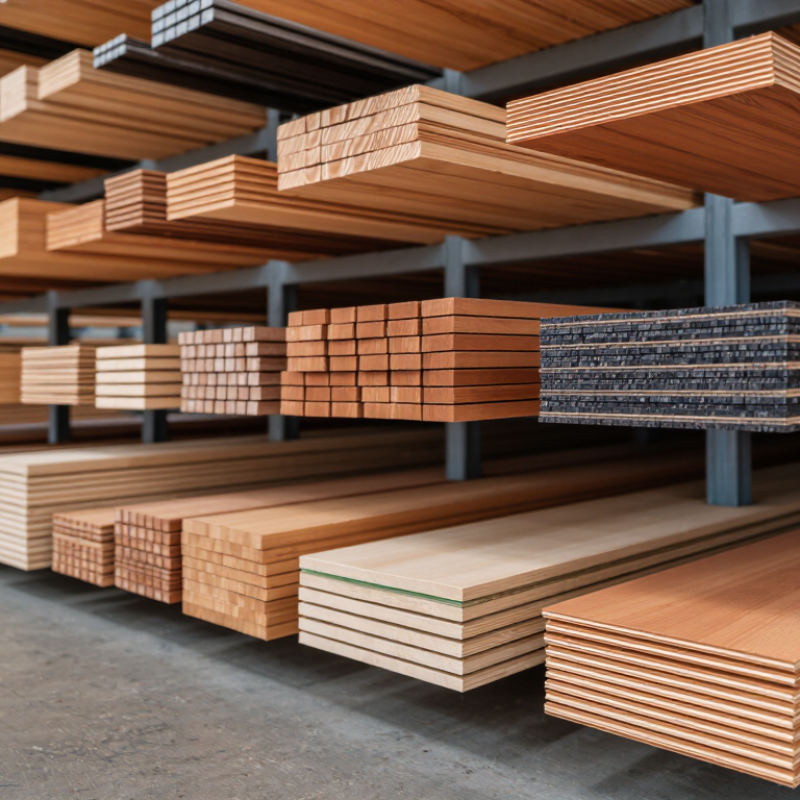
Material choice matters. Timber can be practical, but moisture, knots, cracks, and repeated loading require careful checks. Metal or composite planks may offer consistent dimensions and easier cleaning. The correct option depends on load ratings, platform width, climate, and the scaffold system. Buyers searching for “7 Scaffold Plank” should confirm what the number means. It may describe a size, quantity, or product category. Never assume.
Ask suppliers for tested load data, dimensions, manufacturing details, and inspection guidance. Request samples when possible. Place one on a level surface and check for twisting or rocking. Small defects matter. Storage also affects service life; planks should stay raised from wet ground and protected from impact. I have seen purchasing decisions focus too heavily on price. That approach can miss handling costs, replacement rates, and site conditions. A reliable scaffold plank is not simply thick or heavy. It must match the intended structure, workers’ habits, and verified safety requirements.
Which Scaffold Plank Materials Suit Different Work Conditions?
Choosing the best scaffold plank depends on the work condition, not only the purchase price. A 2 Plank Scaffold may suit light access work, but its planks still need adequate width, strength, and secure support. OSHA reports that about 2.3 million construction workers use scaffolds in the United States. Its safety guidance also links scaffolds with approximately 4,500 injuries and 50 fatalities annually. These figures show why plank selection deserves technical review.
Steel planks suit heavy loads, masonry work, and repeated industrial use. They resist impact and fire better than timber, but they are heavy and may increase handling fatigue.
Aluminum planks are lighter and resist corrosion, making them practical for maintenance, shipyards, and coastal projects. However, aluminum can deform under severe impact.
Timber planks remain useful where local replacement is easy, but moisture, knots, splits, and hidden decay require careful inspection.
Fiberglass or other non-conductive options may support work near electrical hazards, although users must verify the product’s tested electrical rating. EN 12811-1 provides a recognized framework for temporary works equipment, but local requirements can differ.
Tips: Check the manufacturer’s load data, span limits, surface condition, and locking method. Measure the actual gap between supports. Do not estimate by appearance. OSHA recommends inspecting scaffolds and components before each work shift. That practice is simple, yet often missed. A cheaper plank may fail the site’s real needs. Buyers should document inspections and ask a qualified person to review unusual loads, wet conditions, or frequent relocation. No material wins everywhere.
How Do Safety Standards Define a Reliable Scaffold Plank?
What Is the Best Scaffold Plank for Global Buyers?
How Do Safety Standards Define a Reliable Scaffold Plank?
Reliable scaffold plank selection starts with the applicable safety standard, not a product photograph. Requirements vary by market. EN 12811-1 provides performance guidance for scaffold structures and working platforms. OSHA rules address plank condition, support, width, and loading in the United States. Other regions may apply different national standards. Buyers should verify the current local requirements before placing an order.
A dependable plank needs clear load information, stable dimensions, and documented material quality. Timber planks should show proper grading and resistance to splitting, decay, and excessive bending. Metal or composite planks need secure locking features and tested slip resistance. Check the actual span, load class, end support, and deflection limits. A search for “10 Scaffold Plank” is not enough without these details.
From site experience, small defects often become serious under repeated use. A cracked end, raised fastener, or muddy walking surface deserves immediate attention. Inspectors should record batch details and remove questionable planks from service. No checklist replaces judgment. Even trained crews sometimes overlook moisture damage after storage. That weakness should be acknowledged, not hidden. Safety claims also need independent test evidence, traceable documents, and instructions written for the destination market.
What Is the Best Scaffold Plank for Global Buyers?
How Do Safety Standards Define a Reliable Scaffold Plank?
Safety benchmark: EN 12811-1 defines scaffold platform service-load classes from 0.75 to 6.00 kN/m², equivalent to approximately 15.7 to 125.3 psf. Higher classes are intended for heavier working loads.
A reliable scaffold plank should be selected together with the complete platform design, including span, support spacing, material strength, slip resistance, inspection requirements, and the regulations applicable in the destination market. The chart shows platform load classes, not a universal standalone plank capacity.
What Dimensions and Load Ratings Should Buyers Compare?
For global buyers, scaffold plank selection starts with dimensions, not price. Common widths range from 225 to 250 millimetres, while thicknesses often reach 38 or 45 millimetres. Length must match the approved span and support arrangement. A longer plank is not automatically stronger. Deflection can increase quickly.
The European standard EN 12811-1:2003 defines platform load classes from 0.75 to 6.0 kN/m². Buyers should compare the required class with real site loads, including workers, tools, and stored materials. A 2.0 kN/m² rating may suit light access work, but masonry tasks can require a higher class. Check the test span, not only the headline rating.
In the United States, OSHA 29 CFR 1926.451 requires scaffolds to support their own weight plus four times the maximum intended load. That rule is a useful safety benchmark, but it does not replace local approval. Timber planks should also show a recognized strength grade, moisture condition, and inspection history. EN 338 provides strength classes for structural timber, although it does not certify a finished scaffold plank by itself.
Look for clear markings.
I would question any supplier offering one load figure without span data. Even a well-made plank can perform poorly when damaged, wet, or poorly supported. Buyers sometimes compare thickness alone. That is an easy mistake. A proper technical sheet should state dimensions, material grade, maximum span, deflection limits, testing method, and permitted loading direction.
How Do Climate, Durability, and Maintenance Affect Selection?
What Is the Best Scaffold Plank for Global Buyers?
Climate changes the buying decision more than many specifications suggest. In tropical storage areas, warm air and trapped moisture can raise wood moisture above 20%, the threshold commonly linked with fungal decay in the USDA Forest Products Laboratory’s Wood Handbook. Rain, salt air, ultraviolet exposure, and repeated drying can also create checks and splinters. In cold regions, absorbed water may freeze inside defects and widen them. Aluminum or engineered planks may resist moisture better, but their surfaces can become slippery when wet. I would not claim one plank wins everywhere.
Durability must match the working load and inspection system. OSHA 29 CFR 1926.451 requires scaffold components to support their own weight and at least four times the maximum intended load. European buyers may also review EN 12811-1 performance requirements and local board standards. Maintenance remains decisive. A strong plank can fail after careless storage. Store timber off the ground, under cover, and with airflow. Inspect edges, fasteners, warping, and impact marks before every shift. Replace questionable boards, even when damage looks minor.
Tips: Record temperature, humidity, and plank location during storage. In coastal projects, rinse salt deposits and dry surfaces quickly. Do not paint over cracks. A practical trial in the buyer’s actual climate can reveal more than a catalogue test. My own preference is sometimes conservative: a slightly heavier plank may reduce handling efficiency, yet it can offer clearer inspection cues and a longer service life. That trade-off deserves honest review.
What Should Global Buyers Check Before Ordering Scaffold Planks?
What Is the Best Scaffold Plank for Global Buyers?
Before ordering a Two Plank Scaffold, inspect more than price and surface appearance. Experienced buyers check the plank’s species, grade, dimensions, moisture level, and rated load capacity. A straight plank should have clean edges, stable grain, and no deep cracks, loose knots, or soft areas. Measure several samples, not only one. Small differences can create fitting problems on site. Request factory inspection records, material certificates, and clear test reports from an independent laboratory when possible. Documents should match the actual shipment, including thickness, length, quantity, and packaging details.
Tips: Ask for recent production photos. Check end-grain sealing. Confirm safe storage instructions. Review the rejection procedure before payment. Do not rely on vague terms such as “heavy duty.” Ask which test method supports that claim, and whether the rating applies to a single plank or a complete platform. A sample may look excellent while the bulk order varies. That is worth questioning.
For international delivery, check export packaging, moisture protection, labeling, and container loading plans. Timber can arrive darker, warped, or damp after a long voyage. I have seen buyers overlook ventilation during storage, then blame the supplier for preventable movement. That mistake deserves reflection. Confirm the receiving team understands inspection steps before installation. Also compare the supplier’s technical response: precise answers usually reveal stronger process control, while rushed promises may hide gaps. Require written confirmation for dimensions, tolerance, treatment, load data, and replacement handling before ordering.
Modular Scaffolding Systems: Comparing Ringlock and Cuplock Solutions for Safer Construction Projects
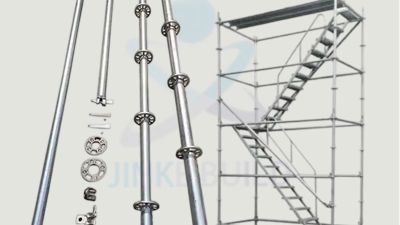
Modular scaffolding systems provide flexible support for construction, masonry, and infrastructure work, with ringlock and cuplock designs offering practical solutions for safer project operations. Both systems use high-tensile Q235 or Q345 steel tubes and can be finished with hot-dip galvanization or anti-rust paint. Standard tube thicknesses range from 2.5 mm to 3.5 mm, while vertical uprights are available in segmented lengths from 0.5 m to 4 m. Custom lengths can also be produced for unusual building layouts or restricted work areas.
Ringlock scaffolding uses rosette connection points to create secure horizontal and diagonal assemblies, making it suitable for complex structures, changing elevations, and demanding access requirements. Cuplock scaffolding uses cup-and-blade connections that support rapid assembly and consistent spacing, helping crews work efficiently on repetitive façades, masonry projects, and large construction platforms. The choice depends on the project layout, required flexibility, erection speed, and available workforce.
For outdoor projects, the protective finish helps maintain stable anti-corrosion performance in coastal humid zones, dusty construction yards, and areas exposed to long-term weather conditions. These characteristics make modular systems suitable for contractors and infrastructure builders working across South America, the Middle East, and Southeast Asia, where dependable access and durable components are essential to safer construction projects.
FAQS
A reliable plank has clear load information, stable dimensions, and documented material quality. It should resist splitting, decay, bending, or surface damage. Photographs are not enough.
Buyers should review the scaffold rules used in the destination market. Check span, load class, end support, width, and deflection limits. Requirements vary by region.
The scaffold system should support its own weight and at least four times the intended load. Confirm the exact requirement locally. Do not estimate by appearance.
Warm, damp storage can raise timber moisture and encourage fungal decay. Rain, salt air, sunlight, and repeated drying may cause checks or splinters. Cold temperatures can widen water-filled defects.
Metal or engineered planks may resist moisture more effectively. However, wet surfaces can become slippery. No single material wins everywhere.
Remove planks with cracked ends, raised fasteners, severe warping, or impact marks. Muddy walking surfaces also need attention. Small defects can become serious.
Store timber above the ground, under cover, and with steady airflow. Record temperature, humidity, and storage location. Good storage matters.
Inspect edges, fasteners, moisture damage, and walking surfaces before every shift. Record batch details and remove questionable planks from service. No checklist is perfect.
Request independent test evidence, traceable documents, and destination-market instructions. Confirm material grading and slip-resistance results where relevant. Documents may still need careful review.
A practical trial in the actual working climate can reveal hidden problems. Test storage, handling, wet-surface grip, and repeated loading. I would not rely on catalogue data alone.
Conclusion
Choosing the best Scaffold Plank for global projects requires more than comparing prices. A scaffold plank is a key load-bearing component that supports workers, tools, and materials, so its material, strength, dimensions, and surface condition directly affect jobsite safety and efficiency. Buyers should consider whether wood, metal, or composite planks are most suitable for the work environment, expected loads, transportation needs, and frequency of reuse.
Reliable selection also depends on recognized safety standards, verified load ratings, accurate dimensions, and consistent manufacturing quality. Climate is another important factor: moisture, heat, cold, corrosion, and ultraviolet exposure can influence service life and maintenance requirements. Before ordering, global buyers should confirm product specifications, testing or inspection records, packaging, delivery conditions, replacement policies, and compatibility with their scaffolding systems. A careful comparison of performance, durability, compliance, and total ownership cost helps buyers choose a Scaffold Plank that remains dependable across different projects and working conditions.