- Home
- About Us
- Products
- News
- FAQ
- Contact Us
Send a Request
Leave Your Message
When you're looking at scaffolding rigs in 2026, it’s really more about the specific job site than just picking the latest shiny model online. A compact rig might be just right if you're doing repetitive facade work, kind of like using a trusty old tool you've got familiar with. On the other hand, systems like ringlock can make quick work of complex structures, saving you time during assembly. Tube-and-clamp setups, though, still come in handy—especially when dealing with buildings that have irregular angles, tight spaces, or changing heights.
Honestly, the ground underneath often matters way more than what any brochure claims. A skilled crew will double-check everything—base plates, sole boards, ledgers, braces, access points, tie-ins—before hauling in materials. And trust me, on a windy rooftop, that tiny gap in your braces can turn into a big problem pretty fast. Same goes for uneven terrain; even the best-designed rig might need some engineering tweaks to stay safe and stable. So, inspection tags shouldn’t just carry yesterday’s status—they need to reflect real-time conditions.
There’s no one-size-fits-all answer, which might sound obvious but is often overlooked. When choosing your system, you really need to weigh factors like load capacity, how fast it goes up, training requirements, transportation costs, and safety standards specific to your area. It’s best to have qualified scaffold designers and experienced inspectors give things a once-over to make sure everything’s spot-on. Also, never underestimate the importance of following manufacturer instructions, especially for proprietary parts and connections.
This guide covers the main kinds of scaffolding rigs you’ll see in 2026—like frame, ringlock, cuplock, tube-and-clamp, and even suspended types. We’ll look at where each one shines and where it might fall short. Small details matter — missing a diagonal brace, overcrowding a platform, or having a poorly protected ladder opening can quickly turn into big safety issues. The best decision often combines solid engineering judgment, trained workers, thorough inspections, and honest assessments of your site’s real conditions. Keep in mind, though, that almost no project matches the neat diagrams perfectly—there’s always some tweaking needed along the way.
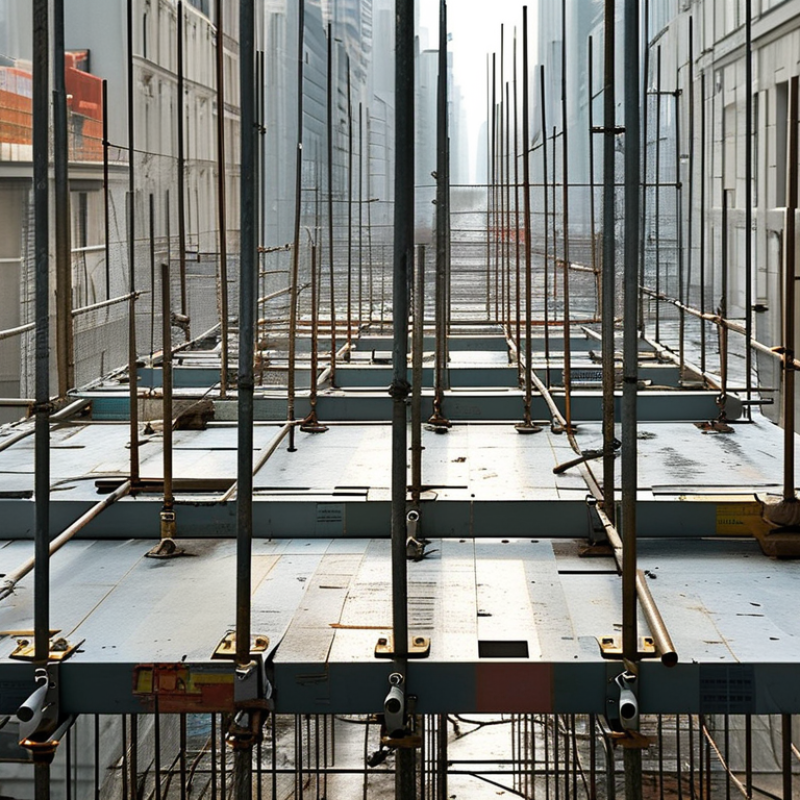
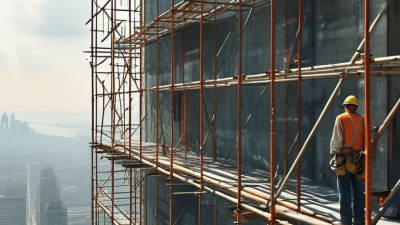
A scaffolding rig is a temporary work platform, not simply a collection of metal tubes. It transfers workers, tools, and materials through standards, ledgers, braces, platforms, and base plates. The frame or system carries vertical loads downward, while braces resist movement from wind and uneven loading. A competent person must inspect the ground, access points, platform gaps, guardrails, and ties before use.
Common rig types include frame scaffolding, modular system scaffolding, tube-and-fitting scaffolding, mobile towers, and suspended platforms. Frame rigs suit repetitive façade work. Modular systems are faster around complex structures. Tube-and-fitting rigs offer greater adjustment, although they demand stronger assembly skills. Mobile towers save time indoors, but unlocked wheels create a serious hazard. Suspended platforms work on tall façades, where suspension lines and emergency controls require careful daily checks.
The U.S. Occupational Safety and Health Administration estimates that about 2.3 million construction workers use scaffolds, with roughly 4,500 injuries and 50 deaths reported annually from scaffold-related incidents. Its guidance also states that scaffolds support about 65% of construction workers. These figures make selection more than a purchasing decision. A 2024 European Agency for Safety and Health at Work review likewise emphasizes planning, competent supervision, and fall prevention for temporary work equipment. I have seen tidy platforms fail because the ground was overlooked. Small details matter. When researching “Scaffolding from JinKe,” verify load ratings, inspection records, component compatibility, and training evidence rather than relying on photographs. A perfect-looking rig can still be poorly engineered.
CE-certified steel flat ties and concrete wall spacers are essential accessories for aluminum formwork systems, supporting accurate alignment and reliable concrete wall construction. According to the United Nations Environment Programme’s 2023 Global Status Report for Buildings and Construction, the sector accounted for approximately 34% of global energy demand and 37% of energy- and process-related carbon emissions in 2022. These figures highlight the importance of durable, reusable formwork components that can improve construction efficiency and reduce material waste.
Manufactured from high-strength Q235 steel, this formwork flat tie is designed to brace concrete wall formwork and secure form tie-rods in residential, commercial, and infrastructure projects. Its hot-dip galvanized anti-corrosion finish helps protect against moisture, cement residue, and demanding jobsite conditions, extending service life during repeated formwork operations. Used together with properly sized concrete wall spacers, it helps maintain wall thickness, improve dimensional accuracy, and support consistent concrete placement.
The World Steel Association reported global crude steel production of approximately 1.89 billion tonnes in 2023, demonstrating the continued importance of steel in modern construction and infrastructure. Custom sizes are available to match different aluminum formwork layouts, wall dimensions, and load requirements, helping contractors select practical accessories for efficient installation and dependable structural performance.
: Frame, system, tube-and-coupler, mobile, suspended, cantilever, and shoring rigs remain widely used.
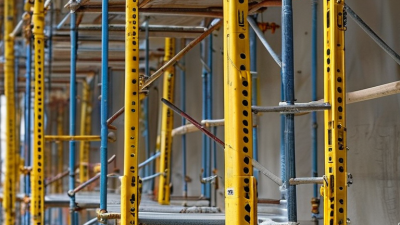
Frame scaffolding suits repeated exterior work around walls, windows, and concrete slabs. It assembles quickly.
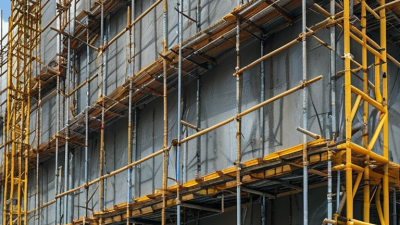
System scaffolding fits complex structures and uneven elevations. Locking nodes create flexible platforms with fewer loose fittings.
It suits changing geometries around pipes, tanks, narrow corners, and irregular industrial areas. Skilled assembly remains essential.
Mobile towers support short indoor tasks, including electrical and finishing work. They need firm, level ground.
No. Wheels do not remove stability risks. Uneven floors, poor braking, or wind can destabilize a tower.
Suspended rigs serve façades when ground access is blocked. Cantilever rigs help above fragile roofs, sidewalks, or surfaces.
Check height, ground conditions, platform load, worker movement, weather, access, and rescue planning. Measure the ground. Check the load.
Inspect bases, connectors, guardrails, toe boards, planks, wheels, bracing, and access points. Recheck after relocation or severe weather.
Follow current local requirements and approved technical standards. A qualified person should confirm the design and inspection process.
Crews may miss a loose caster, missing toe board, or softened ground after rain. Neat plans can become unsafe.
No. A quick mobile tower may fail outdoors in wind. A costlier modular rig may reduce repeated adjustments.
A Scaffolding Rig is a temporary structural system designed to provide safe access, working platforms, and material support during construction, maintenance, and inspection projects. In 2026, common rig types include mobile towers, fixed frame systems, suspended platforms, cantilever structures, and modular systems. Each type is selected according to the building height, work location, load requirements, surface conditions, and the need for movement or long-term stability. Mobile rigs offer flexibility and quick repositioning, while fixed rigs provide stronger support for extended projects and heavier workloads.
The materials and components used in a Scaffolding Rig may include steel or aluminum frames, adjustable bases, platforms, braces, guardrails, access ladders, wheels, and stabilizers. Choosing the right system requires evaluating load capacity, working height, installation space, weather exposure, assembly time, and site-specific risks. In 2026, safe operation depends on following applicable local regulations and recognized safety standards, including proper design, inspection, fall protection, secure foundations, competent assembly, and regular maintenance.