TIANJIN JINKE TECHNOLOGY CO.,LTD.
Send a Request
Leave Your Message
0%

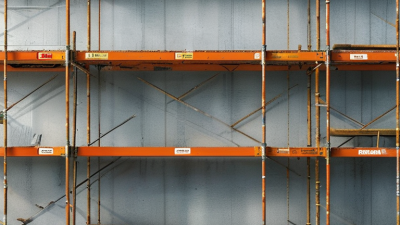
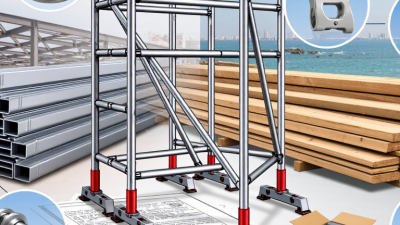
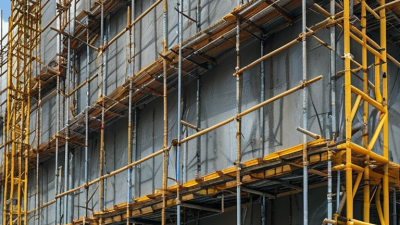
Picking reliable Scaffolding Safety Equipment isn't just about comparing prices, especially for buyers working across different markets. On a busy construction site, things can shift in minutes. Wet boards, uneven ground, missing toe boards, bad visibility—they all create different risks. This guide looks at ten essential equipment categories for safer scaffold operations. It's about practical protection, not flashy product claims.

So what should you consider? Guardrails, personal fall arrest systems, helmets, safety footwear, base plates, couplers, access ladders, debris nets, warning signs, inspection tags. Material strength definitely matters. But so do load ratings, corrosion resistance, fit, visibility, and how easy it is to get replacements. Before placing big orders, buyers should ask for test reports, product instructions, batch info, and supplier support. A product that's accepted in one market may need extra verification somewhere else. Local workplace rules and project specs should still be part of the buying decision.

The real value shows up during installation, inspection, and daily use. A harness locked away in a cabinet protects nobody. A helmet with a cracked shell? It should leave the site right away. Small details matter. Field teams may ignore uncomfortable gloves or pull off poorly fitted guardrails. That human behavior deserves attention. No checklist is perfect, and this guide may not cover every regional preference or odd site condition. Still, comparing equipment through evidence, worker experience, and supplier reliability can help reduce avoidable mistakes. The best choices balance protection, durability, usability, documentation, and long-term cost. Safety isn't one product. It's a maintained system.
10 Best Scaffolding Safety Equipment for Global Buyers?

What Scaffolding Safety Equipment Does and Why It Matters

10 Best Scaffolding Safety Equipment for Global Buyers

What Scaffolding Safety Equipment Does and Why It Matters

Scaffolding safety equipment creates controlled barriers between workers, tools, and open edges. Guardrails protect people from falls, while toe boards stop small tools from sliding onto workers below. Properly fitted platforms provide stable standing areas, even during repetitive tasks. Base plates and adjustable jacks spread weight across the ground and help prevent uneven settlement. Small details matter here.

Access ladders or stair towers reduce risky climbing on cross braces. Personal fall arrest systems, including harnesses and energy-absorbing lanyards, provide additional protection when exposed edges cannot be fully guarded. Helmets with chin straps protect against falling objects and remain secure during movement. Slip-resistant footwear improves footing on dusty or wet platforms. Debris netting can reduce falling materials, but it cannot replace guardrails or careful housekeeping.

Reliable equipment also needs regular inspection. A competent person should check connections, platform boards, braces, access points, and visible damage before use and after severe weather. Scaffold tags can communicate inspection status, but workers must understand what each tag means. On busy sites, damaged components are sometimes overlooked because they appear usable. That assumption is dangerous. Buyers should select equipment compatible with the scaffold system, site conditions, worker load, and local safety requirements. Manufacturer instructions and trained installation remain essential, even when the equipment looks simple.

How to Assess Site Risks Before Choosing Safety Equipment

Before choosing scaffolding equipment, walk the actual work area, not just the drawing. I inspect the ground, access routes, overhead lines, nearby vehicles, weather exposure, and falling-object zones. A soft patch beside a loading gate can change the entire setup. Record photographs, measurements, worker tasks, and expected loads. Speak with the crews. They often notice risks that a form misses.

Match each hazard to a control, then select equipment that workers can use correctly. Guardrails and toe boards may suit open platforms, while debris nets or exclusion barriers may control falling objects. Harness systems need compatible anchorage, clear movement limits, and a realistic rescue plan. Helmets, footwear, gloves, and eye protection should fit the task, not merely fill a procurement list. Check inspection points, adjustment ranges, weather resistance, and replacement needs. Verify instructions and applicable local requirements with a competent safety professional.

Do not treat a risk assessment as a one-time document. Wind can rise, ground can settle, and another contractor can block an access route within hours. Reassess after changes, incidents, or long shutdowns. I once assumed a wide platform was safer, but stored materials narrowed the working path. That assumption was wrong. Keep it practical. Ask whether workers can still move, see, communicate, and escape safely when conditions change.

10 Best Scaffolding Safety Equipment for Global Buyers? - How to Assess Site Risks Before Choosing Safety Equipment

No. Safety Equipment Primary Site Hazards Controlled Risk Indicators to Assess Before Selection Recommended Performance Criteria Common Reference Standards Inspection and Replacement Considerations
1 Industrial Safety Helmet Falling tools, materials, head impact against scaffold tubes, and limited electrical contact risks. Work below other crews; overhead lifting; low clearances; risk of lateral impact; exposure to rain, sunlight, chemicals, or electrical conductors.
High when overhead work is present
Select a properly sized helmet with secure retention when work involves climbing, bending, or wind. Use a helmet with electrical insulation only where the applicable electrical hazard assessment requires it. Accessories such as visors and earmuffs must be compatible with the helmet. EN 397 for industrial safety helmets; ANSI/ISEA Z89.1 for industrial head protection. Check the applicable national regulation before purchase. Inspect the shell, suspension, chin strap, and attachment points before each use. Remove from service after a significant impact, deep scratches, deformation, chemical damage, or when the manufacturer’s service life is reached.
2 Safety Glasses or Sealed Goggles Flying particles, drilling dust, mortar splashes, cutting fragments, and liquid or chemical splashes. Cutting, grinding, drilling, pressure washing, dusty materials, windblown debris, and whether workers need protection from the front, sides, or a full seal.
High during cutting and grinding
Use impact-rated eye protection with side coverage for general scaffold work. Select sealed goggles for dust or liquid splash hazards. Anti-fog treatment is important in humid conditions, while tint should match the lighting level. EN 166 for personal eye protection; ANSI/ISEA Z87.1 for occupational and educational eye and face protection. Check lenses for cracks, deep scratches, clouding, and damaged frames. Clean with a suitable method and replace when visibility or impact protection is reduced.
3 High-Visibility Garment Struck-by incidents involving vehicles, cranes, forklifts, and moving equipment. Traffic interface, night work, poor weather, low lighting, high-visibility background requirements, and whether reflective material must be visible from all directions.
High near traffic and lifting zones
Select the garment class and color required by the local risk assessment. Use retroreflective bands with 360-degree visibility. Ensure the garment remains visible when worn over winter clothing or a harness. EN ISO 20471 for high-visibility clothing; ANSI/ISEA 107 for high-visibility safety apparel and accessories. Inspect reflective tape, fluorescent fabric, seams, closures, and contamination. Replace when fading, staining, tearing, or loss of reflective performance prevents clear recognition.
4 Protective Safety Footwear Falling objects, puncture from nails or sharp materials, slips on wet platforms, and ankle injuries. Platform surface condition, exposed fasteners, manual handling loads, wet or oily areas, climbing frequency, and the need for electrical or chemical resistance.
High where materials and sharp debris are present
Choose toe protection, slip resistance, puncture-resistant midsoles, and ankle support according to the task. The sole must provide adequate grip without creating a trip hazard on scaffold components. EN ISO 20345 for safety footwear; ASTM F2412 and ASTM F2413 for protective footwear in applicable markets. Check toe caps, soles, midsoles, stitching, laces, and water or chemical damage. Replace footwear when the sole loses traction, the protective toe area is exposed, or structural damage affects fit.
5 Cut- and Abrasion-Resistant Work Gloves Sharp scaffold tubes, metal edges, wire, splinters, abrasion, pinch points, and contact with construction materials. Material sharpness, handling frequency, required dexterity, wet or oily surfaces, chemical contact, and whether impact protection on the back of the hand is needed.
Medium to high, depending on handling tasks
Select the protection level based on the actual cut, tear, puncture, and abrasion hazards. Do not use gloves near rotating machinery if they could become entangled. Choose a close fit that preserves grip and control. EN 388 for mechanical risks; ANSI/ISEA 105 for hand protection classification. Chemical hazards require additional chemical-resistance assessment. Inspect for holes, exposed fibers, hardened coatings, contamination, and loss of grip. Replace gloves immediately when damage reduces hand protection or safe handling ability.
6 Hearing Protection Noise-induced hearing damage from impact tools, cutting equipment, compressors, and nearby construction operations. Measure or estimate exposure across the work shift, including peak noise and simultaneous sources. A commonly used occupational action level is 85 dB(A), but legal limits vary by jurisdiction.
Medium to high around powered tools
Use earplugs where compatibility with helmets and eyewear is important, or earmuffs where repeated fitting is difficult. Select attenuation that reduces exposure without preventing communication or warning signals. EN 352 series for hearing protectors; applicable occupational noise regulations in the destination country. Inspect earmuff cushions, headbands, plugs, and hygiene condition. Replace disposable plugs as required and replace damaged or hardened cushions and seals.
7 Full-Body Fall-Arrest Harness Fatal or serious injury from falls while erecting, altering, dismantling, or working outside scaffold guardrails. Fall height, unprotected edges, anchor availability, swing-fall potential, rescue access, worker size, weather, and whether the task requires restraint, positioning, or fall arrest.
Critical where collective protection is incomplete
Use a correctly fitted full-body harness with suitable front or dorsal attachment points for the planned system. Prefer collective protection such as guardrails whenever practicable; a harness is not a substitute for safe scaffold design. EN 361 for full-body harnesses; ANSI/ASSP Z359.11 for full-body harnesses. Use only within a compatible, documented fall-protection system. Perform a user inspection before each use and a competent-person inspection at the interval required by the manufacturer or local rules. Remove after a fall, visible damage, chemical exposure, or illegible labels.
8 Energy-Absorbing Lanyard or Self-Retracting Lifeline Fall arrest during movement along scaffold levels and at exposed edges. Available fall-clearance distance, anchor strength and location, edge exposure, horizontal movement, sharp-edge contact, swing-fall risk, and the need for continuous connection.
Critical because insufficient clearance can cause ground impact
Calculate total fall clearance before selection, including deployment length, user height, equipment length, harness stretch, and a safety margin. Use an edge-rated system only when the product and instructions specifically permit it. EN 355 for energy-absorbing lanyards; EN 360 for retractable-type fall arresters; ANSI/ASSP Z359.13 and Z359.14 where applicable. Inspect webbing, stitching, connectors, energy absorber covers, housing, lifeline, and locking mechanisms before use. Remove from service after fall deployment, impact, corrosion, or failed inspection.
9 Scaffold Access Stair or Secured Ladder System Falls during access, slips on rungs, climbing with materials, and unsafe movement between scaffold levels. Access height, frequency of movement, worker traffic, ladder angle, weather, platform openings, material-carrying needs, and whether a stair tower is more suitable than a ladder.
High when access is frequent or levels are numerous
Prefer purpose-designed scaffold stairs for frequent access and two-way traffic. Ladders must be secured, extend sufficiently above the landing where required, maintain clear access, and comply with local installation rules. EN 131 for portable ladders; EN 12811-1 for temporary works equipment and scaffold performance requirements. Local scaffold-access rules also apply. Inspect steps, rungs, hooks, fasteners, handrails, landing gates, footing, and alignment before each shift. Remove damaged, bent, slippery, or unstable access equipment from service.
10 Debris Netting, Toe Boards, and Falling-Object Protection Falling tools, bricks, waste, small components, and materials striking people below or leaving the work area. Public access below, building entrances, pedestrian routes, wind exposure, material size and weight, dropping distance, scaffold loading, and whether netting could affect wind forces.
High above occupied areas and public routes
Use correctly secured toe boards and guardrail systems to retain materials at platform level. Select debris netting or covered scaffold systems based on mesh performance, fire behavior, wind loading, and the size of objects to be contained. EN 12811-1 for temporary works equipment and scaffold performance; EN 1263-1 for safety nets where a safety-net system is used. Confirm local requirements for edge protection and falling objects. Inspect attachment points, mesh, seams, toe boards, clamps, gaps, and accumulated debris. Remove damaged netting and correct loose or incomplete edge protection immediately.
Buyer selection note: Product performance, certification, sizing, compatibility, installation, training, and inspection requirements must be verified against the destination country’s legislation, the manufacturer’s technical documentation, and a site-specific risk assessment. Standards listed above are reference points and may not replace mandatory local requirements.

Fall Protection Systems: Guardrails, Harnesses, and Lifelines

Guardrails, harnesses, and lifelines form the core of scaffold fall protection. Guardrails should include top rails, midrails, and toe boards where falling objects threaten workers below. They must remain secure when workers lean against them or move materials nearby. Fit matters. Open edges need continuous protection, not temporary gaps covered with loose boards.

A full-body harness should sit firmly across the chest, shoulders, and thighs. Loose straps can shift during a fall and create serious injury risks. Connect harnesses only to approved anchorage points with suitable energy-absorbing lanyards or self-retracting lifelines. Lifelines must remain clear of sharp edges, hot surfaces, and moving equipment. Never improvise an anchorage with a scaffold brace unless a qualified person has verified its strength and suitability.

Daily checks should examine stitching, buckles, hooks, rails, clamps, and rope condition. Inspect daily. Field inspections often find damaged webbing hidden beneath dust or paint. That detail is easy to miss. Buyers should request clear load ratings, inspection instructions, material specifications, and evidence of quality testing. Local regulations and site conditions may differ, so equipment selection needs competent technical review. A common purchasing mistake is choosing one system for every scaffold design. It seems efficient, but platform height, access routes, weather, and rescue planning can change the correct solution. Even experienced teams should document rejected equipment and review near misses honestly. Resistant hardware helps, but it does not replace training, supervision, or a practical rescue plan.

Safe Access Equipment: Ladders, Stairways, and Platforms

Safe access equipment is central to effective Scaffolding Safety. Ladders should provide firm footing, clear access, and secure handholds. Place them on level surfaces, never on loose boards or unstable platforms. Stairways are better for repeated movement because workers can carry tools while maintaining three-point contact. Their steps should remain clean, evenly spaced, and free from stored materials. Platforms need full decking, suitable guardrails, and safe entry points. Even a small gap can catch a boot.

Tips: Inspect before every shift. Check rungs, frames, braces, locks, and deck boards. Mark damaged equipment and remove it from service. Keep access routes bright and dry. Do not improvise with spare timber or unsecured ladders. A rushed shortcut can become a serious fall risk.

Global buyers should request clear load ratings, inspection guidance, and material information before purchase. Equipment must match the scaffold height, working conditions, and expected traffic. Local safety requirements still matter, even when products come from another market. In practical site inspections, I have seen workers focus on the scaffold frame while ignoring the access point. That mistake is easy to repeat. A better process checks the ladder, stairway, platform, and surrounding ground together. No system is perfect. Regular review remains necessary.

Stability and Load Control Tools for Scaffolding

For global buyers, scaffolding stability begins at ground level. Base plates, sole boards, and adjustable screw jacks spread pressure across uneven surfaces. They also reduce settlement after rain or repeated foot traffic. A level indicator helps crews detect lean before installation continues. Small errors become serious at height.

Load control needs more than a capacity label. Each platform should show its permitted load class, including workers, tools, and stored materials. EN 12811-1 provides performance guidance for temporary works equipment, while local rules may set stricter requirements. OSHA estimates that scaffold accidents cause about 4,500 injuries and 50 deaths annually in the United States. That figure supports a simple purchasing rule: request tested load data, inspection records, and clear instructions before approval.

Mobile Scaffolding Safety depends on locked castors, adjustable outriggers, and positive bracing. The structure should never move with people or loose materials onboard. A load tag near the access point improves daily decisions. Site teams should inspect joints, wheels, ties, and platforms before every shift. I have seen checklists completed too quickly, especially when schedules tighten. That weakness deserves attention. Buyers should also verify corrosion resistance, spare-part availability, and compatibility with local scaffold tubes. A strong product can still fail through poor ground assessment or uneven loading.

10 Best Scaffolding Safety Equipment for Global Buyers

Stability and Load Control Tools for Scaffolding

Equipment categories covered: base plates, sole boards, adjustable base jacks, screw jacks, cross braces, guardrail systems, toeboards, platform units, scaffold ties, and load-class tags.

The chart highlights selected OSHA reference dimensions for guardrails, toeboards, platforms, and platform overlap. These values support stability, fall prevention, platform security, and load control. Global buyers should confirm local requirements before purchasing or installing equipment.

Reference: U.S. OSHA 29 CFR 1926.451(b), 1926.451(g), and 1926.451(h). Values are shown in millimeters.

Inspection, Visibility, and Personal Protective Equipment

Global buyers should treat scaffolding safety equipment as a connected system, not a shopping list. Inspection begins before delivery and continues at every shift change. Check base plates, frames, braces, platforms, guardrails, toe boards, access ladders, and locking pins. OSHA’s Scaffold Safety Fact Sheet estimates 4,500 injuries and 50 deaths annually from scaffold-related incidents in the United States. That figure is older, but it remains a useful warning.

Visibility deserves equal attention. The U.S. Bureau of Labor Statistics recorded 1,075 construction fatalities in 2023; falls, slips, and trips represented 39.2% of those deaths. Use high-visibility garments with reflective panels, especially near vehicle routes or dim work areas. Add temporary lighting where platforms create shadows. Reflective clothing cannot replace guardrails, stable access, or disciplined housekeeping. Local requirements still govern every project.

Personal protective equipment should match the actual exposure. Workers may need helmets with secure straps, eye protection, cut-resistant gloves, slip-resistant footwear, and full-body harnesses connected to approved anchor points. NIOSH recommends controlling hazards at their source before relying on PPE. Fit testing matters. Comfort matters too. Scaffolding from JinKe should be evaluated through documented inspections, material traceability, and user training, not appearance alone. No checklist is perfect. A hurried inspection may still miss a cracked plank or loose coupler. Review near-misses honestly, and adjust the equipment plan before the next shift.

How Global Buyers Can Compare Standards, Quality, and Suppliers

Global buyers should compare scaffolding safety equipment by risk, evidence, and site conditions, not attractive catalog photos. The ten useful categories include guardrails, toe boards, access ladders, scaffold frames, adjustable bases, couplers, working platforms, safety nets, personal fall-arrest equipment, and inspection tags. Each item should match the scaffold design and the workers’ tasks. A lightweight platform may suit indoor maintenance but fail under heavier material loads.

Standards and Documentation Standards are not interchangeable. A component accepted in one market may require additional testing elsewhere. Check the certificate scope, test method, issuing body, production date, and applicable load rating. Request full technical files, not only a logo or one-page certificate. Confirm whether reports cover the exact model, material, and configuration. Do not accept vague wording. Ask for serial numbers and traceable batch records.

Quality appears in small details. Inspect weld consistency, edge finishing, locking pins, corrosion protection, stitching, and clear markings. Measure twice. Supplier comparison also requires factory evidence, inspection procedures, replacement policies, and staff training support. A factory audit can reveal weak packaging or inconsistent dimensions before shipment. Video calls help, but physical samples remain valuable. In one purchasing review, the paperwork looked complete, yet a sample coupler fitted poorly. The mistake was fixable. The missed warning was not. Good suppliers welcome independent testing, honest questions, and documented corrective actions.

Custom Processing for Scaffolding & Steel Products: Bespoke Machining for Reliable Results

Custom processing is transforming how scaffolding and steel components are produced for demanding construction environments. The World Steel Association reported global crude steel production of approximately 1.88 billion tonnes in 2024, highlighting the continuing scale of steel use in infrastructure and building projects. Within this market, reliable fabrication depends not only on material strength but also on accurate dimensions, consistent tolerances, and repeatable quality.

Our bespoke machining service supports scaffolding and steel products manufactured to customer drawings, specifications, and application requirements. CNC machining enables precise production of custom sizes, connection parts, brackets, pins, and other components for ring lock and cup lock scaffolding systems. Each order can be adapted to required geometry, hole positions, thread details, and assembly interfaces, helping improve compatibility and reduce fitting issues during installation.

Surface treatment options, including protective coatings and finishing processes, can be selected according to operating conditions, storage needs, and appearance requirements. Production inspection may include dimensional verification, material checks, and process traceability to support dependable performance across repeated batches. Customized steel components can also be supplied with CE-related technical documentation where applicable, helping customers manage quality expectations and project requirements with greater confidence.

FAQS

What should be checked before selecting site safety equipment?

Walk the actual work area. Inspect ground strength, access routes, overhead lines, vehicles, weather exposure, and falling-object zones. Photograph hazards and record measurements. Ask workers what the paperwork misses.

How can equipment match specific site hazards?

Match each hazard with a practical control. Guardrails and toe boards suit open platforms. Debris nets or barriers can control falling objects. Harnesses require compatible anchors and a realistic rescue plan.

What makes ladders safer on a worksite?

Place ladders on level, firm surfaces. Do not use loose boards or unstable platforms. Check rungs, frames, locks, and handholds before every shift. A rushed shortcut can fail.

When are stairways better than ladders?

Stairways suit repeated movement and tool carrying. Workers can maintain three-point contact more easily. Keep steps clean, evenly spaced, and free from stored materials. Small gaps can catch boots.

What should a safe platform include?

Use full decking, suitable guardrails, toe boards, and secure entry points. Check for gaps, damaged boards, loose couplers, and blocked paths. Stored materials may narrow a wide platform. That assumption can be wrong.

How often should scaffolding equipment be inspected?

Inspect equipment before delivery and every shift. Recheck it after strong wind, ground movement, incidents, changes, or long shutdowns. Remove damaged parts from service immediately. Do not trust one checklist forever.

Which personal protective equipment may workers need?

Equipment depends on the actual exposure. Workers may need helmets, eye protection, protective gloves, slip-resistant footwear, and harnesses. Harnesses need approved anchor points and clear movement limits. Comfort and fit matter.

How can visibility improve scaffold safety?

Use high-visibility clothing near vehicles and dim work areas. Add temporary lighting where platforms create shadows. Keep access routes bright and dry. Visibility does not replace guardrails or stable access.

What information should buyers request before purchase?

Request load ratings, inspection guidance, material information, adjustment ranges, and replacement details. Confirm compatibility with scaffold height, traffic, weather, and working tasks. Check local safety requirements with a competent professional. Appearance alone proves little.

Conclusion

Choosing the right Scaffolding Safety Equipment is essential for protecting workers, improving site efficiency, and reducing preventable accidents. A reliable safety plan begins with a thorough assessment of site risks, including working height, weather conditions, ground stability, traffic, access routes, and expected loads. Fall protection systems such as guardrails, safety harnesses, lifelines, and secure anchor points help reduce the consequences of slips or falls. Safe access equipment, including ladders, stairways, and properly designed platforms, also supports controlled movement around the scaffold.

Stability and load control tools, such as base supports, adjustable components, bracing, and load indicators, help maintain structural balance during use. Regular inspections, clear visibility features, protective clothing, helmets, gloves, and suitable footwear provide additional protection. For global buyers, comparing recognized safety standards, material quality, testing records, supplier reliability, installation guidance, and after-sales support is essential. The best equipment is not simply the most expensive option, but the solution that matches site conditions, worker needs, compliance expectations, and long-term maintenance requirements.

Nathan

Nathan

Nathan is a dedicated marketing professional with extensive expertise in the field of construction and scaffolding solutions. Since joining Tianjin Jinke Construction, which has been a reputable manufacturer since 1998, he has cultivated a deep understanding of the company's high-quality and......
Previous 7 Best Hydraulic Scaffolding Systems for Global Buyers?