TIANJIN JINKE TECHNOLOGY CO.,LTD.
Send a Request
Leave Your Message
0%

Honestly, choosing an aluminum step ladder in 2026 isn’t just about price or how tall it goes. You need one that actually fits the job, the person using it, and the space where it’s going to live. A ladder that feels rock-solid on a warehouse floor can get a little sketchy on a sloped driveway. And the small stuff really matters: wide steps, spreaders that lock properly, feet that grip, and a platform at a height you can actually work from comfortably.

Look, safety data isn’t just noise—it actually gives that choice some real weight. Take a 2014 CDC report from NIOSH researchers John J. Collins and Lauren M. O’Sullivan: they counted 113 workplace deaths and roughly 15,460 nonfatal ladder-related injuries back in 2011. Pretty sobering stuff. The point? Choosing the right ladder and setting it up safely should never be an afterthought. Sure, those numbers are old—they’re not some prediction for 2026—but they still remind us why capacity labels and condition checks matter. And then there's the ANSI A14.2 standard, which is also pretty much the go-to benchmark for portable metal ladders.

Alright, let's talk ladders. This guide gets into the nitty-gritty of ladder shopping—comparing frame strength, duty rating, step depth, folded size, and stability. We also look at the trade-offs behind a 3 Step Aluminum Step Ladder. Sure, three steps can make indoor tasks a whole lot easier, but honestly, they might not give you enough reach for every job. And the truth is, no single ladder suits everyone. Honestly, even a model with great reviews can end up being a letdown if the height or footprint doesn’t match your actual workspace. So we’ll stick to the stuff you can measure—manufacturer specs, real-world checks—and skip the flashy marketing claims. At the end of the day, choosing the right one starts with knowing what the task actually demands.
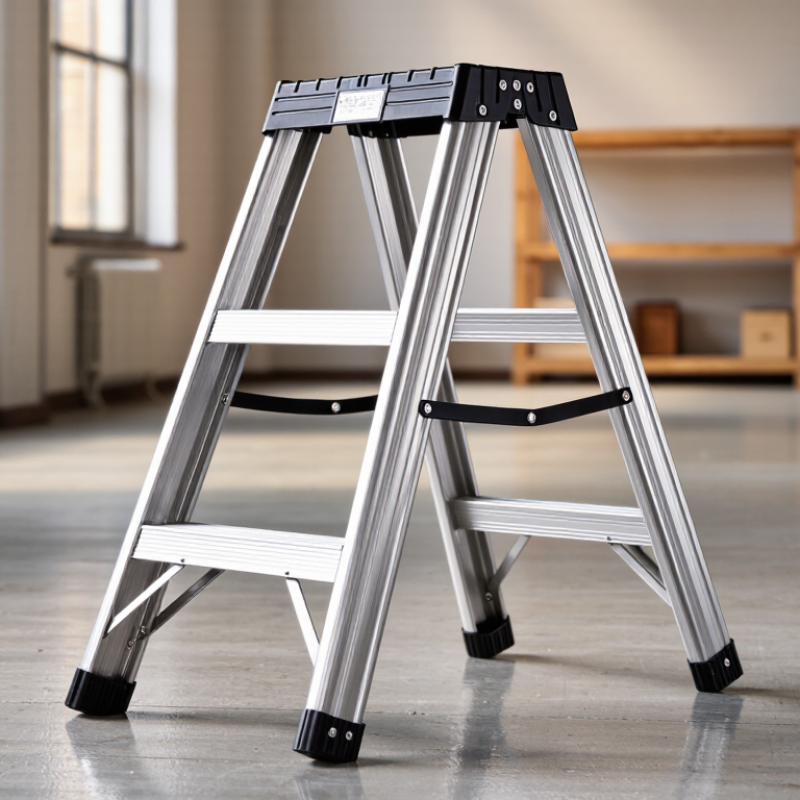
How to Choose the Best Aluminum Step Ladder in 2026?

Define the Task and Reach: OSHA Caps Portable Stepladders at 20 ft

Define the job before comparing ladder height. Will you change a ceiling fixture, reach a shelf, or paint above a doorway? OSHA’s general-industry standard limits portable stepladders to 20 feet. That is a maximum, not a recommended working height. Measure the platform height you need, then account for your safe standing position and the distance your hands must reach. Do not plan to stand on the top cap; OSHA prohibits standing on a stepladder’s top or cap. Measure twice. A ladder that is too short can tempt an unsafe lean, while an oversized one may be awkward in a narrow hallway.

The risk is not theoretical. The U.S. Bureau of Labor Statistics’ 2020 Census of Fatal Occupational Injuries recorded 161 fatal work injuries involving ladders. The figure cannot predict the risk of one household task, but it makes fit and setup worth checking. Choose a ladder that lets you work with your torso between the side rails and both feet on a permitted step. Set it on a firm, level floor, and check its duty-rating label against your body weight plus tools and materials. Reach charts can be useful, but they are estimates; body height, footwear, and task position change the result. I would remeasure at the actual work area, not trust a number remembered from the store.

Compare ANSI Duty Ratings: Type IAA 375 lb to Type III 200 lb

When choosing an Aluminum Step Ladder 3 Step, compare its ANSI duty rating with the total load it must support. Type IAA is rated for 375 pounds; Type IA, 300; Type I, 250; Type II, 225; and Type III, 200. These limits include the person, clothing, tools, and materials—not just body weight. ANSI ASC A14.2 sets performance requirements for portable metal ladders, while the duty-rating label helps buyers compare capacity. Check the label on the ladder itself. Do not assume two similar-looking frames have the same rating.

Higher capacity is not a substitute for careful setup. NIOSH reported 113 fatal and 15,460 nonfatal ladder-fall injuries among construction workers in 2011. That finding, published in the CDC’s Morbidity and Mortality Weekly Report, shows why capacity is only one part of safe selection. Consider reach, floor conditions, and how often the ladder will be moved. A three-step model may suit quick indoor tasks, but a taller task may call for a different ladder rather than standing on the top cap. Small detail. Inspect feet, rails, and locking braces before climbing; a loose hinge can matter more than a higher rating. I’d still leave a sensible margin below the rated limit, especially when carrying awkward materials.

Choose Step Count and Platform Height Using Manufacturer Reach Charts

A manufacturer’s reach chart helps match ladder step count to the work, but its numbers are estimates. Check the chart for the exact ladder model, then compare its platform height with the height you need to reach. Platform height is not the same as working reach. Reach estimates often assume a typical standing reach, which varies with your height, arm length, footwear, and task.

For example, if a ceiling fixture is just above comfortable standing reach, a ladder with a platform around chest height may be enough. Measure the fixture height and your own comfortable reach before choosing. Then use the manufacturer’s chart to see which step count provides a suitable platform height. Leave room to work without stretching or leaning sideways. Small differences matter.

Charts are easy to misread. I would not rely on a rough rule like “add four feet” when the manufacturer provides specific figures. Check the manual for the highest permitted standing step, and never use the top cap as a step. If the chart’s estimate feels close, choose a setup that lets you work with both feet supported and your body centered between the rails. Even careful measuring can be imperfect. Recheck the actual ladder’s labels before climbing.

Assess Aluminum’s Weight, Corrosion Resistance, and Electrical Conductivity

Aluminum is popular because it is relatively light, making a ladder easier to carry from a garage to a work area. A 5 Step Aluminum Step Ladder can be practical for indoor repairs, but check its rated load and your expected task before choosing. Weight can dominate a quick comparison, though it should not be the only priority. A ladder that feels easy to move still needs stable feet, firm spreaders, and secure hinges. Test these parts on a level surface before climbing.

Aluminum resists rust better than ordinary steel, but it is not immune to wear. Salt, moisture, and cleaning chemicals can affect finishes or joints over time. Wipe the rails dry after exposure and inspect for dents, cracks, loose rivets, or rough corrosion. Small damage matters. Electrical conductivity deserves special attention: aluminum conducts electricity, so keep the ladder well away from energized wires and equipment. A nonconductive ladder may be more appropriate for electrical work, but no ladder removes the need to control electrical hazards. Think about where the ladder will be used, not just how light it feels in the store.

Verify ANSI A14.2 Compliance, Spreaders, Locks, and Slip-Resistant Feet

An Aluminum Step Ladder should have a clear label identifying its duty rating and applicable ANSI A14.2 compliance. Check the label and product documentation rather than relying on appearance alone. A polished finish proves little about construction or safe working capacity. Match the ladder’s rating to your body weight plus tools and materials. Leave a margin; carrying a drill and a box of fasteners adds weight quickly.

Open the ladder on firm, level ground and confirm both spreaders lock fully into place. They should resist folding without forcing or bending. Inspect hinges, rivets, and locking parts for looseness, cracks, or corrosion. They matter. Check that each foot is present, firmly attached, and free from worn or hardened rubber. Slip-resistant feet can improve grip, but they cannot make loose gravel or a sloping floor safe. One detail is easy to miss: debris under a single foot can make the ladder rock. Close and reopen the ladder before use if a lock feels stiff; guessing is not a good inspection method. Even a compliant ladder needs careful setup, and reaching sideways can shift its balance.

Check the Combined User-and-Tool Load Against the Ladder’s Rated Capacity

A ladder’s rated capacity must cover the person and everything carried or placed on it. Add body weight, clothing, tool belt, hand tools, and materials before comparing the total with the label. For example, a 185-pound worker carrying a 20-pound tool belt, a 12-pound drill, and 8 pounds of supplies puts 225 pounds on the ladder. A 250-pound rating leaves only 25 pounds of nominal capacity. That margin is not a guarantee of stability; reaching sideways or shifting suddenly can still cause a fall. Check the rating on the ladder itself, and do not assume every aluminum model has the same limit.

The CDC and NIOSH’s 2017 MMWR analysis estimated an annual average of 113 work-related deaths and 15,460 emergency-department-treated injuries from ladder falls in the United States. Those figures do not mean overloading caused every fall, but they show why careful setup and load checks matter. OSHA’s 29 CFR 1910.23 also says ladders must not be loaded beyond their maximum intended load. I’d be cautious about buying a ladder whose rating only just matches the calculated total. People often forget small items, and those pounds add up. Recheck the combined load whenever the job changes.

How to Choose the Best Aluminum Step Ladder in 2026? - Check the Combined User-and-Tool Load Against the Ladder’s Rated Capacity

Add the user’s body weight, clothing and footwear, and all tools or materials carried on the ladder. The combined load must not exceed the ladder’s rated capacity shown on its label.

Common Duty Rating Rated Capacity Example User Load Tools and Materials Combined Load Capacity Check
Type III 200 lb (90.7 kg) 180 lb (81.6 kg) 25 lb (11.3 kg) 205 lb (93.0 kg) Exceeds by 5 lb (2.3 kg)
Type II 225 lb (102.1 kg) 185 lb (83.9 kg) 25 lb (11.3 kg) 210 lb (95.3 kg) Within rating; 15 lb (6.8 kg) remaining
Type I 250 lb (113.4 kg) 205 lb (93.0 kg) 35 lb (15.9 kg) 240 lb (108.9 kg) Within rating; 10 lb (4.5 kg) remaining
Type IA 300 lb (136.1 kg) 230 lb (104.3 kg) 40 lb (18.1 kg) 270 lb (122.5 kg) Within rating; 30 lb (13.6 kg) remaining
Type IAA 375 lb (170.1 kg) 300 lb (136.1 kg) 50 lb (22.7 kg) 350 lb (158.8 kg) Within rating; 25 lb (11.3 kg) remaining

These are common duty-rating categories and sample load calculations, not ratings for a specific ladder. Check the capacity label and manufacturer’s instructions for the ladder you intend to use. Do not use a ladder when the combined load exceeds its rated capacity.

Inspect Feet, Rails, and Hardware Before Use and After Any Damage

Before climbing, place the Step Aluminum Ladder on firm, level ground and inspect all four feet. Look for missing or loose rubber pads, embedded grit, cracks, and uneven wear. Check both rails for bends, dents, corrosion, or sharp edges. Even a small twist can affect stability. Do not climb. Open the ladder fully and confirm the spreaders lock without sticking. Inspect hinges, rivets, bolts, and rung connections for looseness or movement. A clean, dry cloth can reveal hairline damage that dust hides. A quick glance can feel reassuring; it is not a full inspection.

Repeat the checks after a drop, impact, or other damage, even if the ladder still looks usable. The CDC’s National Institute for Occupational Safety and Health has cited more than 300 ladder-related deaths and about 164,000 emergency-room-treated injuries in the United States each year. Those figures cover ladders broadly, but they underline why damaged equipment deserves attention. If a rail is bent, a foot is missing, or hardware is loose, stop using the ladder and follow its manufacturer’s inspection and repair guidance. Do not improvise a fix with tape or substitute fasteners. OSHA’s construction ladder standard also calls for periodic inspection by a competent person and removal of defective ladders from service. Keep a brief inspection note; it is easy to forget what changed.

How to Choose an Aluminum Step Ladder in 2026

Compare the ladder’s rated load with the total weight of the user, clothing, tools, and materials. Duty ratings shown are standard maximum load capacities for portable ladder classes; always follow the rating label and the manufacturer’s instructions.

Before each use—and after any damage—inspect the feet for wear or missing parts, rails for bends or cracks, and hardware for looseness or missing pieces. Do not use a damaged ladder.

Foldable Horse Stool Work Platforms: Insights from Grand View Research’s Scaffolding Market Report

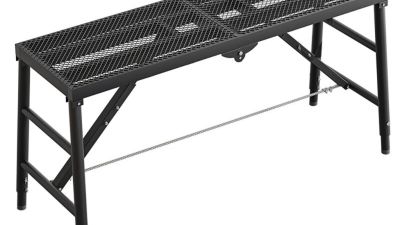
Grand View Research’s scaffolding market analysis estimates that the global market was valued at approximately USD 52.7 billion in 2023 and projects a compound annual growth rate of about 5.7% from 2024 to 2030. This outlook reflects continuing demand for access equipment across construction, renovation, and maintenance work. Alongside full scaffolding systems, compact platforms can help workers carry out shorter tasks where a large structure may not be practical. A folding horse-style stool is one such option, offering a portable standing surface for work at modest heights.

A model with a metal tread plate and an aluminum-alloy or steel frame can provide a stable footing and strong load-bearing capacity when used within its specified limits and on a firm, level surface. Its folding design also makes storage and transport easier between job sites. Renovation workers, plumbers, electricians, painters, and construction personnel may find this format useful for reaching work areas during everyday tasks. It is not a substitute for scaffolding where a larger or elevated work platform is needed; choosing equipment appropriate to the task and following the manufacturer’s safe-use instructions remain essential.

FAQS

What should a ladder’s rated capacity include?

Add your body weight, clothing, tool belt, tools, and materials. Compare the total with the rating printed on the ladder.

How much load does a 185-pound worker place on a ladder with gear?

With a 20-pound tool belt, a 12-pound drill, and 8 pounds of supplies, the total is 225 pounds. Check the load again if the job changes.

Is a small remaining capacity margin always safe?

No. A 250-pound rating leaves 25 pounds in that example, but it does not guarantee stability. Reaching sideways can still cause a fall.

What should I inspect on the ladder’s feet and rails?

Look for missing rubber pads, grit, cracks, uneven wear, bent rails, dents, and sharp edges. Do not climb.

How can I check the ladder’s hinges and spreaders?

Open the ladder fully and confirm the spreaders lock smoothly. Check hinges, rivets, bolts, and rung connections for looseness or movement.

When should I inspect a ladder again?

Repeat the inspection after a drop, impact, or other damage, even if the ladder still looks usable. Dust can hide small cracks.

What should I do if a ladder has a damaged rail or loose hardware?

Stop using it and follow the manufacturer’s inspection and repair guidance. Do not use tape or substitute fasteners.

Why do careful ladder checks matter?

U.S. estimates report many ladder-fall deaths and injuries each year. Those figures do not mean every incident involved overloading, but they are worth considering. A quick glance is not enough.

Conclusion

Choosing the best Aluminum Step Ladder in 2026 starts with the task and the height you need to reach. Portable stepladders are capped at 20 feet under OSHA guidance, but the right step count and platform height depend on the job; use the manufacturer’s reach chart rather than guessing. Compare duty ratings, from Type IAA at 375 pounds to Type III at 200 pounds, and make sure the ladder’s rated capacity can support your body weight plus tools and materials.

Aluminum is lightweight and corrosion-resistant, but it conducts electricity, so consider the work environment before choosing it. Check that the ladder complies with ANSI A14.2 and has secure spreaders and locks, sturdy rails, and slip-resistant feet. Before each use, inspect the feet, rails, and hardware, and check again after any damage. Replace or repair a ladder with compromised parts before using it.

Liam

Liam

Liam is a dedicated marketing professional at a renowned scaffolding manufacturer based in Tianjin, China, established in 1998. With a deep expertise in the scaffolding industry, he plays a crucial role in promoting high-quality and reliable products that support construction projects worldwide.......
Previous What Are the Best Steel Scaffolding Types in 2026?