TIANJIN JINKE TECHNOLOGY CO.,LTD.
Send a Request
Leave Your Message
0%

Look, picking the best aluminum step ladder isn't just about comparing prices – you'd think it's that simple, but no. The right one should feel steady, open up smoothly (you know, without any janky mechanisms), and match the work height so you're not overstretching. A 3-step aluminum step ladder? That could work for kitchen storage, shop stuff, or even small outdoor repairs. You know, the taller models are great for painting and installation work, but they're a bit pickier about where you put them.

Jeffrey St. Clair, who really knows his stuff when it comes to ladder safety, once said, "The safest ladder is the one that fits the task, the user, and the surface." And honestly, that's a principle we should all take to heart. So, let's talk about aluminum ladders—they're great because they're lightweight, won't rust, and are easy to carry from room to room. But here's the catch: aluminum conducts electricity, so you absolutely shouldn't use one near any live wires or equipment. You've got to check the duty rating, step depth, spreader locks, feet, and platform stability. Trust me, these little details count way more than a flashy product photo.

When you're actually out there testing ladders, you want one that stays put on a clean, flat floor, no wobbling or sliding. The steps shouldn't bend or give under your weight, you know? And that top cap – sure, it's handy for support, but you definitely don't want to be tempted to stand on it, that's just asking for trouble. Also, check for those clear safety labels and all the compliance stuff – look for trusted brands like Werner or Louisville Ladder. But honestly, no ladder is perfect. A heavier one feels solid but lugging it around gets old fast. A compact one tucks away nicely, but you might find yourself stretching to reach things. So, this guide really takes a close look at those trade-offs, but here's the awkward truth no one likes to talk about: your users' everyday habits can matter just as much as the design you spend all that time on.
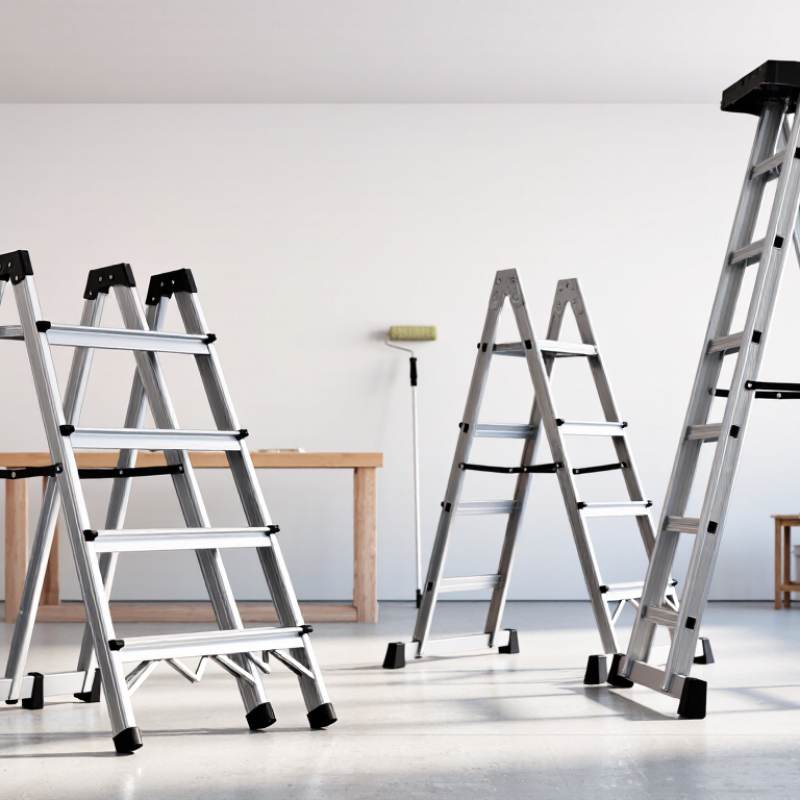
What Is the Best Aluminum Step Ladder?

Types of Aluminum Step Ladders and Their Main Uses

Choosing the best aluminum step ladder depends on the work, height, and stability you need. Aluminum is lightweight, rust-resistant, and easy to carry between rooms. However, it can conduct electricity, so it should never be used near live electrical sources.

A two-step ladder suits low tasks, such as reaching kitchen cabinets or changing a hallway bulb. An Aluminum Step Ladder 3 Step offers more reach for cleaning windows, trimming indoor plants, or organizing storage shelves. Its wide steps can feel more secure than narrow top platforms. For longer jobs, a platform step ladder provides a standing area, handrail, and better support while painting or installing fixtures. Some compact folding models fit behind doors and work well in small apartments.

Ladder height is only part of the decision. Check the duty rating, step depth, hinge locks, and rubber feet before climbing. Place the ladder on a level, dry surface. Keep your belt buckle between the side rails, and climb while facing the steps. Never stand on the top cap unless the instructions clearly permit it. I have found that a lighter ladder is easier to move, but excessive lightness may reduce confidence on uneven floors. That trade-off deserves attention. A three-step model may look sufficient, yet ceiling work can still require stretching. Stop and reposition it. Safety takes longer.

Key Safety Features to Look for in an Aluminum Step Ladder

Choosing a 5 Step Aluminum Step Ladder begins with safety, not height. Aluminum is light and easy to carry, but it conducts electricity. Keep it away from energized equipment and damaged wiring.

NIOSH reports that ladders were involved in about 43% of fatal falls studied in the United States. That figure deserves attention, even for simple household tasks.

Inspect the ladder before every use. Look for bent rails, cracked steps, loose rivets, and worn feet. A stable model should have broad, slip-resistant feet and a firm spreader-lock system.

Deep steps reduce foot strain. A top platform can help you keep both hands available. Check the duty rating against your body weight, clothing, and tools.

Never treat the rating as a rough suggestion. It is a limit.

Tips: Place all four feet on a level, dry surface. Face the ladder while climbing. Keep your belt buckle between the rails. Do not stand on the top cap unless the instructions clearly permit it.

The U.S. Bureau of Labor Statistics recorded 865 fatal falls to lower levels among workers in 2022, showing that height-related risks remain serious.

I still recheck the locks after moving a ladder. It takes seconds. That habit may feel excessive, but rushed setup causes preventable mistakes.

How to Choose the Right Height and Weight Capacity

What Is the Best Aluminum Step Ladder?

The best aluminum step ladder matches your working height, body weight, and daily tasks. Aluminum is light, rust-resistant, and easy to carry between rooms. However, it can feel less stable on uneven flooring. Choose a height that lets you work without standing on the top step. Your feet should remain comfortably below the highest permitted standing level. Reaching too far sideways is another common mistake. Move the ladder instead.

Check the duty rating carefully. It must support your body, clothing, tools, and materials together. For example, a 180-pound user carrying a 20-pound toolbox needs more than a 200-pound rating. Extra capacity provides a useful safety margin. I once focused only on ladder height and overlooked tool weight. That was a poor decision. Real work often includes paint cans, drills, or full storage pockets.

Tips: Measure the ceiling before buying. Add your reach height, not your full body height. Use a shorter ladder for cabinets and a taller one for ceiling fixtures. Confirm that every leg sits firmly on the floor. Keep the spreaders fully open and the platform locked. Never place an aluminum ladder near exposed electrical sources. Aluminum conducts electricity. Read the safety label each time, even when the ladder looks familiar. A quick inspection can reveal bent rails, loose steps, or damaged feet.

Comparing Ladder Stability, Portability, and Storage

What Is the Best Aluminum Step Ladder?

Choosing the best aluminum step ladder means balancing stability, portability, and storage. OSHA estimates that ladder falls cause about 100 workplace fatalities and 36,000 serious injuries annually. That figure makes stability more important than a low purchase price. A wide base, slip-resistant feet, rigid spreaders, and a firm top platform reduce movement on hard floors. ANSI A14.2 also emphasizes safe construction and performance requirements for portable metal ladders.

Portability still matters. An aluminum step ladder is generally lighter than a comparable steel model, so carrying it between rooms feels easier. However, lighter does not always mean safer. A narrow frame may twist when you reach sideways, especially on uneven flooring. Look for a compact folding design that fits behind a door or inside a utility closet. Measure the storage space first. It is an easy detail to overlook.

Tips: Before climbing, open the ladder fully and lock every spreader. Keep both feet on the same step, and avoid standing on the top cap unless the instructions permit it. The CDC and NIOSH have linked ladder-related falls with serious workplace injuries, yet home users often skip a quick inspection. Check for bent rails, loose rivets, worn feet, and oily steps. I would also test the ladder gently before use; this small pause can reveal instability, although it cannot replace the manufacturer’s safety instructions.

Understanding Aluminum Grade, Construction, and Durability

Choosing the best Aluminum Step Ladder starts with its alloy, but grade alone does not determine safety. Common aluminum alloys include 6061-T6 and 6063, yet temper, wall thickness, and joint design can matter more than the number stamped on the rail. A 6061-T6 frame usually offers strong structural performance, while 6063 is often selected for smoother extrusion and corrosion resistance. Check the duty rating carefully. ANSI A14.2 classifies portable metal ladders by load capacity, including 250, 300, and 375 pounds. That rating includes the user, clothing, tools, and materials.

Construction details become obvious during real use. Firm spreaders should lock without excessive play, rivets should sit flush, and the steps should resist twisting under one foot. Wide, replaceable feet help maintain contact on dusty concrete or painted floors. NIOSH has reported that ladder falls cause tens of thousands of emergency-department injuries each year, with occupational fatalities also recorded annually. These figures make small design choices important. A ladder can look robust and still flex noticeably.

I would not judge durability by weight alone. A very light frame may be convenient, but thin rails can dent after one careless transport job. Inspect welds, hinge movement, step edges, and corrosion before every use. The best Aluminum Step Ladder feels stable before you climb. That simple test is easy to overlook. Even careful buyers can misread a rating, so matching the ladder to the actual task deserves more attention.

What Is the Best Aluminum Step Ladder?

Aluminum alloy grade affects ladder strength, weight, and durability. The chart compares typical minimum tensile and yield strengths for commonly used structural aluminum tempers.

6061-T6 generally provides higher strength, while 6063-T5 and 6063-T6 offer good formability and corrosion resistance for extruded components. Values are typical published minimum mechanical properties in MPa; actual performance depends on profile thickness, joints, bracing, welds, and safety design.

How to Use and Maintain an Aluminum Step Ladder Safely

What Is the Best Aluminum Step Ladder?

Safe use matters more than appearance when choosing a Step Aluminum Ladder. The best model should feel rigid, level, and easy to carry. Check its duty rating against your body weight, tools, and materials. The ANSI A14.2 standard provides guidance for aluminum stepladder design and performance. Its requirements support safer choices, but they cannot replace careful judgment.

Before climbing, inspect every step, hinge, foot, and spreader bar. Look for bent rails, loose rivets, cracked feet, or oily surfaces. Place the ladder on dry, firm ground. Open it fully and lock the braces. Face the ladder while climbing, and keep three points of contact. OSHA guidance warns against standing on the top step. Do not lean sideways. Climb down and reposition it instead. Never use aluminum near exposed electrical sources because the metal conducts electricity.

Maintenance is simple, but often neglected. Wipe dust and moisture from the rails after use. Store the ladder indoors, away from sunlight, chemicals, and heavy objects. BLS Census of Fatal Occupational Injuries data recorded 161 worker deaths from ladder-related falls during 2020 and 2021. That number makes routine checks feel less optional. I still recheck a ladder after moving it, even when it looked sound earlier. Small oversights happen. A damaged step should mean immediate removal from service, not a temporary warning.

Grand View Research Concrete Formwork Market Report: CE-Certified Steel Flat-Tie Wall Spacers for Aluminum Formwork

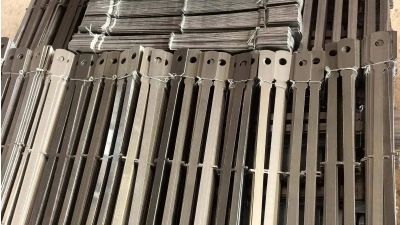
Grand View Research’s concrete formwork market analysis identifies residential, commercial, and infrastructure construction as important demand areas, with contractors increasingly seeking systems that improve assembly efficiency, dimensional accuracy, and service life. Within aluminum formwork applications, CE-certified steel flat-tie wall spacers support consistent wall thickness while helping secure tie-rods during concrete placement. Their compact profile is suitable for repetitive construction cycles where reliable alignment and quick installation are essential.

The recommended flat-tie is manufactured from high-strength Q235 steel and finished with hot-dip galvanizing for enhanced resistance to moisture, corrosion, and demanding site conditions. It is designed for concrete wall formwork bracing and tie-rod fixing across housing developments, commercial buildings, and infrastructure projects. Industry research, including construction-material market reports from Grand View Research, continues to emphasize durability and adaptable formwork components as practical priorities for reducing maintenance and improving productivity. Custom lengths, widths, hole configurations, and coating requirements can be developed to match aluminum formwork layouts, engineering specifications, and regional project standards.

FAQS

How do I choose the right ladder height?

Measure the ceiling and choose a height that keeps your feet below the highest permitted standing level. You should not stand on the top step. Move the ladder instead of leaning sideways.

How much weight should an aluminum step ladder support?

The duty rating must cover your body, clothing, tools, and materials together. For example, a 180-pound user with a 20-pound toolbox needs more than a 200-pound rating. Leave extra capacity. It helps.

Why choose an aluminum step ladder?

Aluminum ladders are lightweight, rust-resistant, and easy to carry between rooms. They suit tasks such as reaching cabinets or ceiling fixtures. However, aluminum may feel less stable on uneven floors.

Which construction details should I inspect?

Check the alloy, rail thickness, joints, hinges, steps, and feet. Firm spreaders should lock without excessive movement. Rivets should sit flush, and steps should resist twisting under one foot.

Can a very light ladder still be durable?

Yes, but low weight does not prove strong construction. Thin rails may dent during careless transport. Inspect welds, hinge movement, step edges, and corrosion before climbing.

How should I set up the ladder safely?

Place every foot on dry, firm, level ground. Open the ladder fully and lock the spreaders or braces. Face the ladder while climbing and keep three points of contact.

Can I use an aluminum ladder near electrical sources?

No. Aluminum conducts electricity. Keep the ladder away from exposed electrical sources. This risk is easy to underestimate when the area looks dry.

How should I maintain and store the ladder?

Wipe dust and moisture from the rails after each use. Store it indoors, away from sunlight, chemicals, and heavy objects. Remove the ladder from service if a step, foot, rail, or hinge is damaged.

What mistakes do people commonly make?

People often focus only on height and forget tool weight. They may also lean sideways instead of repositioning the ladder. I have made that mistake. Check twice.

Conclusion

Choosing the best Aluminum Step Ladder begins with understanding the different types available and matching them to your intended tasks, such as household cleaning, maintenance, decorating, or light professional work. Important safety features include wide, slip-resistant steps, a secure locking mechanism, strong handrails, stable feet, and a reinforced platform. Select a ladder height that provides comfortable reach without standing on the top step, and confirm that its weight capacity safely supports both the user and any tools.

A quality Aluminum Step Ladder should balance stability, portability, and easy storage. Consider its folded size, overall weight, frame design, and the quality of its aluminum construction. A durable ladder should resist bending, loose joints, and surface damage during normal use. Always place it on a level, dry surface, fully open and lock it before climbing, maintain three points of contact, and avoid overreaching. Regularly inspect the steps, hinges, feet, and locks, and clean and store the ladder properly to extend its service life.
Liam

Liam

Liam is a dedicated marketing professional at a renowned scaffolding manufacturer based in Tianjin, China, established in 1998. With a deep expertise in the scaffolding industry, he plays a crucial role in promoting high-quality and reliable products that support construction projects worldwide.......
Previous What Is the Best Scaffolding Rig for Global Buyers?