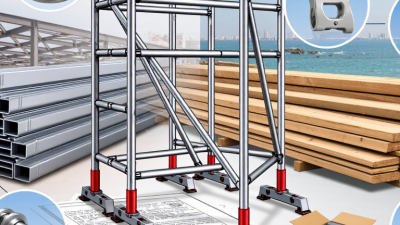
When you look at China’s top steel board scaffolding makers and suppliers, you get a pretty clear picture of a construction market that’s all about safety, load management, and dependable delivery. These steel board scaffolds are what keep workers, tools, and materials safely supported high above active construction sites. But, honestly, their performance isn’t just about the steel grade—things like welded joints, surface treatments, dimensions, and quality inspections really matter too.
Back in 2024, the World Steel Association reported that global crude steel production hit around 1.84 billion tonnes. That’s a huge number, and it shows just how deep the steel supply chain runs. But here’s the catch—just because steel is everywhere doesn’t mean every piece of scaffolding out there is top quality. Construction folks still need to double-check things like yield strength, coating thickness, flatness, and load capacity through testing. Standards like EN 12811-1 give design guidelines for temporary work equipment, and OSHA’s guidelines stress the importance of competent inspections and stable platforms—those small details really do add up.
John W. Chitty, who’s a well-known safety consultant in scaffolding, always says, “A scaffold is only as safe as its weakest link.” That’s pretty much spot on, especially when choosing scaffolding steel boards. A sturdy board won't fix problems like bad bracing, damaged hooks, or uneven support. You gotta look at the whole setup.
For Chinese suppliers like Wellmade Scaffold, it’s not enough to just compare prices in their catalogs. It’s really important to look into their factory experience, welding quality controls, batch traceability, and export paperwork. When you’re making a purchase, ask for test reports, detailed product drawings, coating specs, and even check samples if possible. Just because a deal seems cheap doesn’t mean it’s actually saving you money in the long run.
Honestly, measuring the quality of scaffolding isn’t perfect yet. Often, global reports lump steel, aluminum, frames, and modular systems all together, which makes it tricky to separate the really reliable stuff. So, it’s better to compare suppliers based on clear specs, real manufacturing evidence, feedback from job sites, and how well they follow up after the sale. This introduction aims to set a standard for how you should go about reviewing China’s steel board scaffolding manufacturers and suppliers.
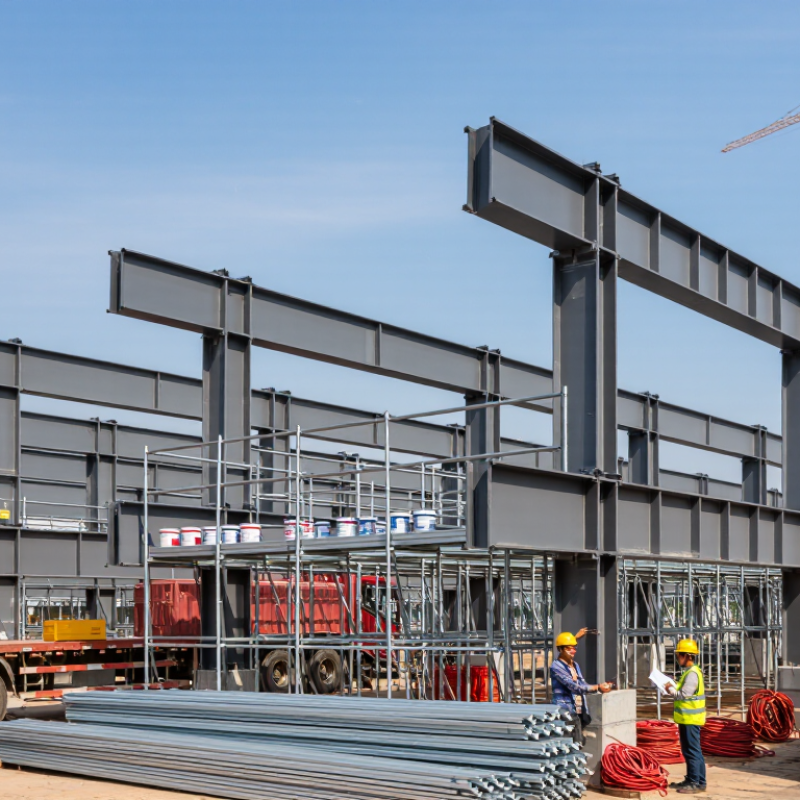
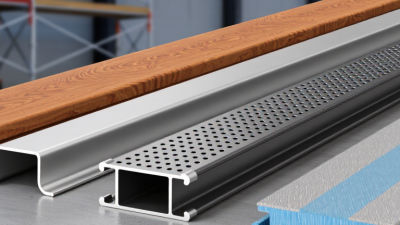
Steel Board Scaffolding is a temporary working platform made from formed steel panels. It gives workers a firm surface between scaffold frames. The boards support people, hand tools, and limited construction materials during elevated work. Unlike loose timber planks, steel boards usually provide consistent dimensions and better resistance to moisture, splitting, and repeated handling. Perforated surfaces can also improve drainage and reduce slipping risks. That detail matters.
Its role is more than simply filling a gap. Properly fitted boards help distribute loads across the scaffold structure and create a stable path for workers. Experienced crews check that each board rests securely on its supports, without excessive movement or visible deformation. Manufacturers and suppliers should provide clear load ratings, dimensions, surface treatment information, and inspection guidance. These details help contractors match the board with the scaffold system and project conditions. A reliable supplier also protects boards during transport, because bent edges can cause fitting problems on site.
Safety still depends on daily judgment. A strong board cannot correct an overloaded platform or missing guardrails. Dust, paint, and water may reduce surface grip, even when the product meets technical requirements. This is where real-world inspection becomes important. It is easy to trust steel too much. Small defects deserve attention. Before use, workers should examine locks, supports, welds, and panel surfaces, then remove questionable boards from service.
China’s steel board scaffolding market serves construction, maintenance, and industrial access projects. The World Steel Association reported China produced about 1.02 billion tonnes of crude steel in 2023. This large production base supports varied scaffolding designs and steady material availability.
Pressed steel planks remain common on building sites. They use formed edges, welded hooks, and anti-slip surfaces. Perforated steel boards reduce standing water and improve grip in wet conditions.
A Galvanized Steel Walk Board offers better corrosion resistance for outdoor storage and repeated use. Its zinc coating still needs inspection after cuts, dents, and heavy abrasion.
Ladder-type steel boards combine a walking surface with built-in access steps. They suit level changes between scaffold platforms. Heavy-duty boards usually use thicker steel and reinforced ribs. However, thicker does not always mean safer. Weight, hook fit, span, and deflection must match the scaffold system. EN 12811-1 classifies scaffold platforms by design load, including 0.75 to 6.00 kN/m² categories. Chinese buyers should also check applicable national standards and supplier test records.
Small details matter. A loose hook can shift under a worker’s foot. Rust around welds can spread quietly.
Site teams should verify dimensions, surface damage, load markings, and coating condition before installation. Some product descriptions sound precise, but actual tolerances may differ. That gap deserves careful review.
China’s steel board scaffolding supply base is concentrated around major steelmaking and construction clusters. According to World Steel Association’s World Steel in Figures 2025, China produced about 1.005 billion tonnes of crude steel in 2024. This scale supports strong material availability for scaffolding tubes, pressed boards, frames, and adjustable components.
Eastern China remains a key manufacturing corridor. Jiangsu and Zhejiang combine steel processing, welding workshops, surface treatment, and export logistics. Their factories often serve projects requiring galvanized boards, modular frames, and customized dimensions. Shandong and Hebei benefit from nearby steel mills and established heavy-fabrication networks. Northern suppliers can offer competitive material sourcing, but winter production conditions may affect delivery schedules.
Southern clusters, especially around Guangdong, connect manufacturers with ports and fast-moving construction markets. This helps suppliers manage container loading, inspection, and replacement orders. Customs data and trade reports show China remains a major exporter of fabricated metal construction products, although product categories vary by shipment. Buyers should not treat every regional supplier equally. Some workshops are strong in welding but weak in coating consistency. Others provide attractive prices but limited load testing. Factory audits should check board thickness, weld penetration, dimensional tolerance, and batch traceability. A clean sample is not enough. Real performance may differ. Industry practice still needs more transparent regional data, especially for scaffolding-specific output and failure rates.
China Top Steel Board Scaffolding Manufacturers Suppliers
How to Evaluate Chinese Scaffolding Manufacturers
A reliable Chinese scaffolding manufacturer should prove quality, not merely display factory photos. China produced about 1.005 billion tonnes of crude steel in 2024, according to the World Steel Association. That scale supports strong sourcing options, but steel volume does not guarantee safe Board Scaffolding. Ask for mill certificates, welding procedures, coating records, and batch traceability. Check whether each frame carries a readable identification mark. Request recent load-test reports linked to the exact product model.
Use recognized benchmarks during evaluation. EN 12811-1 defines performance requirements for temporary works equipment. OSHA reports that scaffolding-related accidents cause thousands of injuries and dozens of deaths annually in the United States. These figures make guardrails, platform locking, base stability, and inspection records practical priorities. Review factory quality systems, calibration certificates, and nonconformance handling. A polished audit file can still hide weak process control. I have learned that small details matter, especially inconsistent weld beads and uneven galvanized surfaces.
Tips: Visit the production line when possible. Watch steel cutting, welding, coating, and final inspection. Compare samples with drawings and tolerances. Ask for third-party testing, not only internal reports. Confirm packaging protects boards from bending and moisture. Check replacement-part availability and response times. A supplier that answers technical questions clearly usually deserves more attention. Still, do not confuse confidence with competence. Even experienced buyers can miss a poorly controlled subcontracting process.
China Top Steel Board Scaffolding Manufacturers Suppliers
Steel board scaffolding requires more than a smooth surface and strong-looking welds. Reliable manufacturers control steel grade, thickness, dimensions, and coating quality during production. Buyers should request material certificates and batch traceability before placing large orders.
Quality management certification, such as ISO 9001, can show controlled procedures. It does not prove that every board is safe. Product testing should match the intended market and relevant standards, including requirements for load capacity, slip resistance, dimensional tolerance, and corrosion protection. Ask for recent test reports from qualified laboratories, not only factory-issued statements.
Safety begins with clear working-load limits and visible identification. Boards should fit properly, resist movement, and remain stable on compatible supports. Inspectors should check bent edges, cracked welds, damaged hooks, and excessive rust. A practical inspection includes measuring thickness, checking surface flatness, and confirming secure seating during assembly. Small defects matter.
Supplier communication also affects safety. Technical drawings, installation guidance, inspection records, and replacement procedures should be available in clear English. Some suppliers provide impressive certificates but weak after-sales support. That gap deserves attention. I would also avoid accepting “universal” load claims without project calculations. Site conditions vary, and even a certified board can fail when overloaded, modified, or installed incorrectly. Experienced suppliers should admit these limits and recommend professional review for complex structures.
When selecting China Top Steel Board Scaffolding Manufacturers Suppliers, verify production evidence before comparing prices. Request mill certificates, coating records, weld inspection reports, and batch traceability. A factory visit or live video audit can reveal storage rust, uneven welding, and weak edge protection. Toe Board Scaffolding should have consistent dimensions, smooth corners, and documented load testing.
Pricing depends on steel grade, thickness, galvanizing method, order volume, packaging, and destination port. Ask for both FOB and delivered-cost quotations. The World Steel Association’s Short Range Outlook, published in October 2024, projected global steel demand growth of 1.2% in 2025. That change can affect raw-material pricing, but supplier margins and currency movements also matter. Cheap offers often exclude testing, inland transport, or export packing. I would challenge any quotation that lacks a clear specification sheet.
Export planning needs practical detail. Confirm board length, stack height, bundle weight, container loading, and moisture protection. UNCTAD’s Review of Maritime Transport 2024 states that over 80% of world merchandise trade by volume moves by sea. Freight disruption can therefore change the landed price quickly. Check applicable destination standards, customs documents, product labeling, and third-party inspection requirements. A pre-shipment sample is wise. Still, one sample cannot represent every production batch. Repeated inspections may cost more, but they reduce unpleasant surprises at the jobsite.
Eastern China has dense steel processing, welding, coating, and export networks. Southern areas connect factories with busy ports and construction markets. Northern regions benefit from nearby steel mills. Winter weather may delay production.
No. Large steel output only improves material availability. It does not prove safe boards or consistent welding. Buyers must verify thickness, weld quality, coating, and traceability.
Request mill certificates, welding procedures, coating records, and batch records. Ask for recent load-test reports linked to the exact model. Also review calibration certificates and nonconformance records. Paperwork can still hide weak controls.
Watch steel cutting, welding, coating, and final inspection. Compare physical samples with drawings and stated tolerances. Check board thickness, flatness, weld penetration, and surface consistency. A clean sample is not enough.
Check guardrails, platform locks, base stability, and secure board seating. Boards should fit compatible supports without excessive movement. Inspect bent edges, cracked welds, damaged hooks, and heavy rust. Small defects matter.
No. A management certificate shows controlled procedures, not perfect products. Testing should cover load capacity, slip resistance, dimensions, and corrosion protection. Use recent reports from qualified independent laboratories when possible.
Suppliers should provide drawings, working-load limits, installation guidance, and inspection records. Replacement procedures should be clear and available in English. Avoid vague claims that one board fits every project. Site conditions vary.
Ask technical questions about packaging, spare parts, delivery, and response times. Packaging should prevent bending and moisture damage during transport. Clear answers usually indicate stronger technical control. Still, confidence is not competence.
Steel Board Scaffolding is a durable temporary access and support system widely used in construction, maintenance, and industrial projects. This article explains its structural role, common types, load-bearing features, surface treatments, and applications in different working environments. It also introduces major manufacturing regions and industry clusters in China, helping buyers understand how production capabilities, supply chains, and logistics may vary by location.
The guide outlines practical methods for evaluating Chinese scaffolding manufacturers, including material quality, welding precision, production capacity, inspection procedures, and after-sales support. It also reviews relevant quality standards, safety requirements, certifications, packaging, export documentation, and transportation considerations. Buyers will learn how to compare suppliers, assess quotations beyond the initial price, confirm product specifications, and select a reliable partner according to project needs, order volume, delivery schedule, and long-term cooperation goals.