When working with scaffolding systems, getting load distribution right matters a lot for keeping everything stable and structurally sound. Proper planning makes sure these temporary structures can handle not just the people standing on them but also all the equipment and building materials without falling apart. The props used play a big role here too since they help spread out the weight across the whole frame rather than letting it concentrate in one spot. This balanced approach stops sections from getting overloaded and reduces the risk of collapse accidents. There are other things to consider when looking at how weight gets distributed throughout a scaffold setup. Height definitely affects this equation along with overall weight considerations. Weather conditions matter as well wind blowing against the structure or unstable ground beneath can throw off calculations completely. Experienced riggers know these variables need constant attention if we want to keep workers safe while getting the job done properly.
Choosing good quality materials for scaffolding props matters a lot when they need to handle all sorts of stresses from workers walking around and their equipment. Cheap materials just don't cut it and can make the whole scaffold unstable, which puts everyone at risk for accidents. The ability to adjust these props makes a big difference too. When working sites have uneven ground or tricky angles, being able to tweak the props helps keep things steady. Most construction companies know this flexibility is what allows them to meet safety regulations while still getting the job done right. Bad materials really hurt safety, so sticking to proper industry guidelines about how strong and durable these components should be isn't just recommended it's absolutely necessary for anyone working up high.
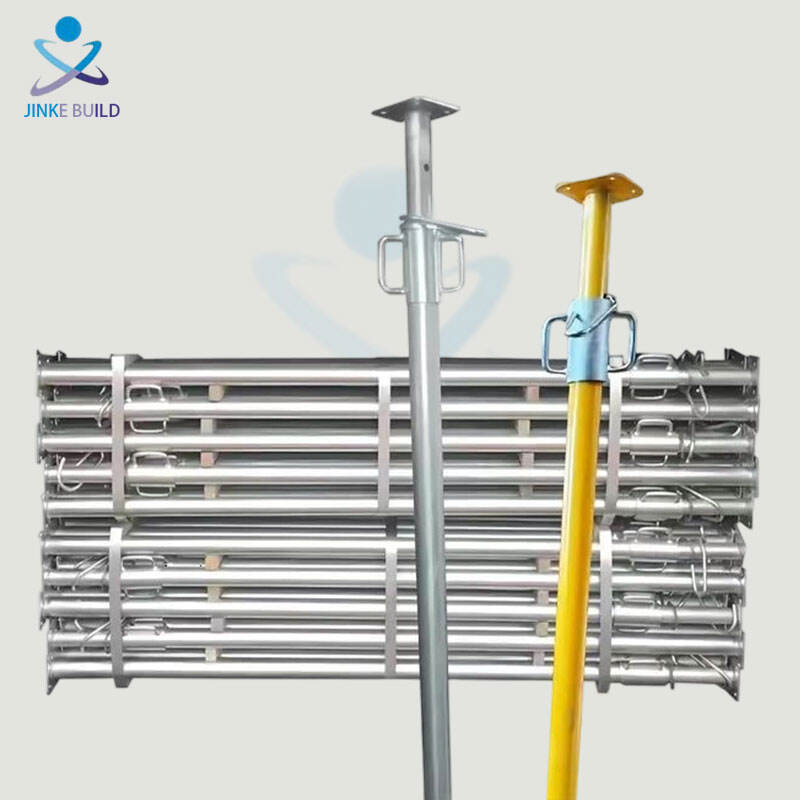
Galvanization really does work wonders when it comes to making scaffolding props last longer. The process gives metal strong protection against rusting, something that matters a lot in places exposed to bad weather or corrosive substances. Research indicates galvanized steel holds up much better in tough climates compared to untreated materials, keeping scaffolding structures intact for years. Take hot dip galvanization for example it coats steel with thick layers of zinc that act like armor against moisture and chemicals. When metal starts corroding, it gets weaker over time and becomes dangerous too. We've seen cases where rusty scaffolding collapsed completely because the metal couldn't handle the stress anymore. That's why construction sites and oil refineries need to invest in properly treated equipment. Good quality galvanized scaffolding isn't just about saving money in the long run it's about keeping workers safe from preventable accidents caused by deteriorating materials.
Getting to grips with load capacity ratings makes all the difference in proper project planning. Basically, these numbers tell us how much weight a scaffold prop can handle before it starts to fail. When putting together scaffolding systems, checking those ratings becomes absolutely necessary if we want to keep workers safe and maintain structural integrity. To figure out what kind of load capacity we need, calculations should include everything from building materials to tools being used on site plus all the people moving around. Take residential jobs such as house painting versus big factory work - obviously different requirements there. Matching the right props to each job isn't just about avoiding overload situations but also cuts down accidents and saves money long term. Most contractors know this already, they've learned through experience what works best for their particular applications.
Adjustable height telescopic designs bring real flexibility to various industrial jobs on site. Take the Heavy Duty Steel Power Coated Prop as a good example. Contractors love using these for supporting columns in tall buildings or reinforcing bridges during maintenance work. Built from solid steel with that extra layer of protective coating, these props stand up well against rust and wear from harsh weather conditions. Most importantly, they meet all the necessary safety requirements set by OSHA regulations. That's why so many construction teams and civil engineering firms keep coming back to these reliable supports year after year when working on major infrastructure projects.
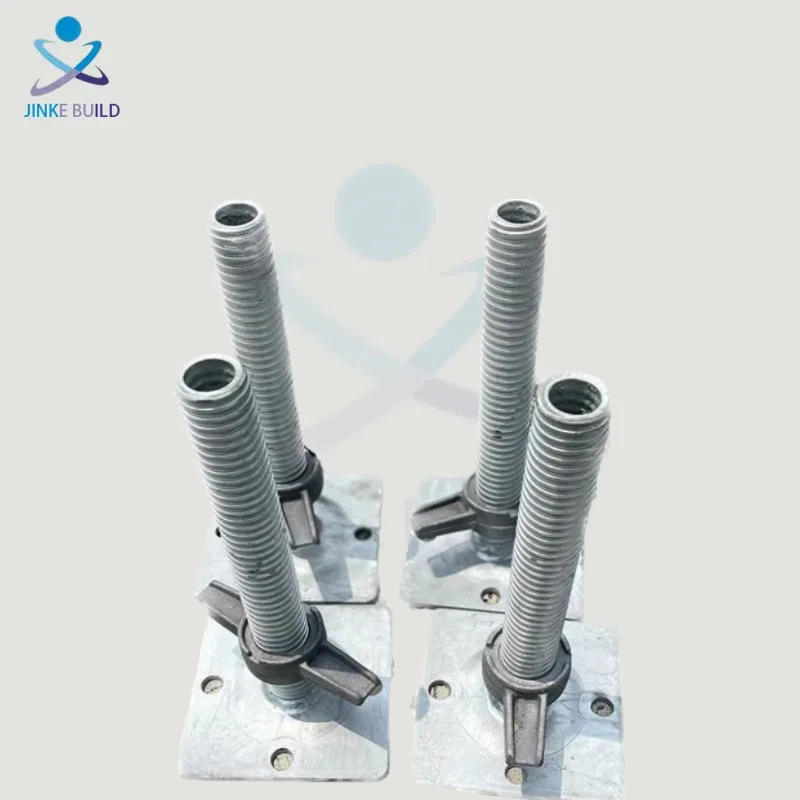
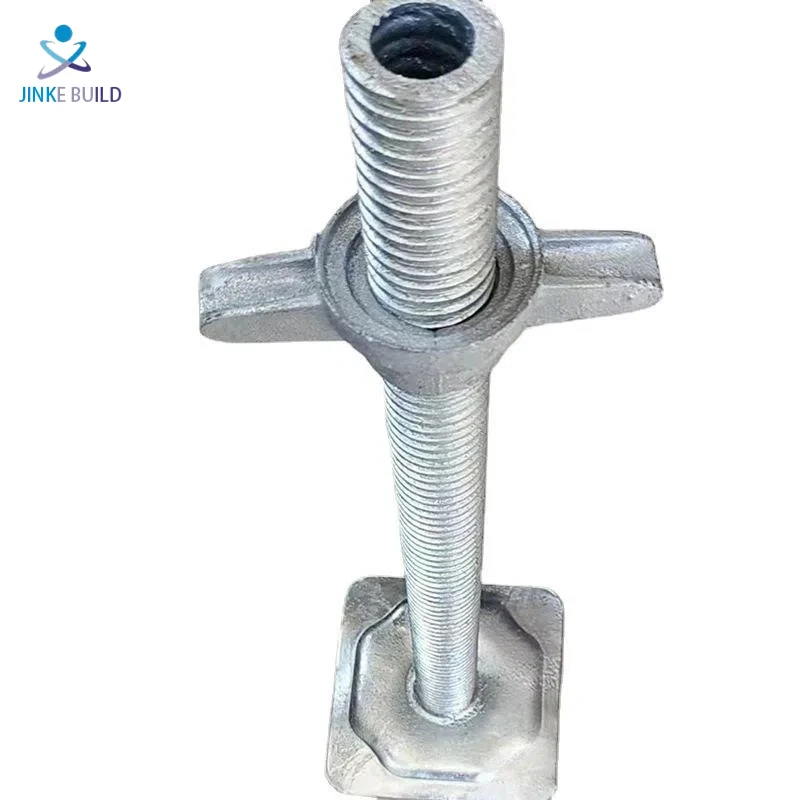
Galvanizing base jacks through hot dip processes really extends their life expectancy because it shields them from rusting out, particularly when they're exposed to damp air or rough weather conditions. What makes these jacks so useful is how they can be adjusted easily to level things up on all sorts of uneven ground, which means workers get solid support while doing their jobs on site. We see these systems making a big difference in tricky situations like constructing tall buildings where having jacks that can change heights quickly becomes absolutely essential for both worker safety and project efficiency.
U head jacks come in really handy because they can be modified for all sorts of complicated scaffolding arrangements. This makes them great for improving both how fast things get done and worker safety across different construction sites. Contractors often tweak these jacks by changing models or upgrading materials depending on what each job needs. Take large scale factory builds for instance, where different parts of the structure need to support varying weights. On one recent warehouse project, crews were able to adjust their U head systems on site without having to wait weeks for special orders, which saved time and money while keeping everyone safer during the process.
Scaffolding props really matter when building tall buildings or reinforcing bridges, since nobody wants accidents from unstable structures. When going up high, these supports basically hold everything together while workers build floors and ceilings safely. On bridges, things get even trickier because the props need to deal with all sorts of movement from cars passing over plus weather effects that can wear down materials over time. Think about something like what happened during repairs on the Golden Gate Bridge years back – those temporary supports had to withstand both constant vibrations from traffic and sudden gusts of wind without failing. That kind of real world testing shows just how important good quality props are for keeping big construction projects safe and functional despite whatever challenges come their way.
When working on industrial maintenance or renovation jobs, scaffolding props really make things safer and more efficient for everyone involved. These props let workers safely access high areas where they need to perform maintenance on big machines or structures without taking unnecessary risks. For renovation work especially, the adjustable height feature comes in handy when reaching those tricky spots or upper levels that would otherwise be difficult to access while maintaining good safety standards. Industry data shows that proper scaffolding can cut down accident rates by around 30% during maintenance operations, which makes sense given how dangerous some of these tasks can get. Companies across various sectors have found that incorporating scaffolding props into their workflow not only protects workers but also speeds up project completion times significantly.
The choice between renting and buying scaffolding equipment really comes down to how long the job will last. For shorter projects, renting makes sense because it doesn't require upfront investment and saves headaches with maintenance issues. On the flip side, companies working on extended jobs or those needing regular access might find ownership more beneficial in the long run since they won't have to keep paying monthly rentals. Money matters too when making this decision. What looks cheap at first glance with rental options can actually end up costing more than simply purchasing outright after a few months of use. Smart business owners take a close look at both the timeline of their work schedule and what their wallets can handle before settling on one option over another.
Choosing the right props for any construction job means making sure they work well with common scaffolding setups such as Kwikstage or Selflock. Safety and getting the job done on time depend heavily on this match. The Kwikstage system has always been praised for its solid build quality while Selflock gets points for how quickly workers can put it together. Both types need parts that fit properly to keep everything stable during use. Before buying anything, check the specs sheet against what the scaffolding requires. If there's any doubt at all, call the manufacturer directly for confirmation. Taking these steps makes workplaces safer obviously, but also saves headaches later when delays happen because something doesn't fit right.
Copyright © Tianjin Jinke Technology Co., Ltd. All Rights Reserved - Privacy Policy - Blog
 EN
EN