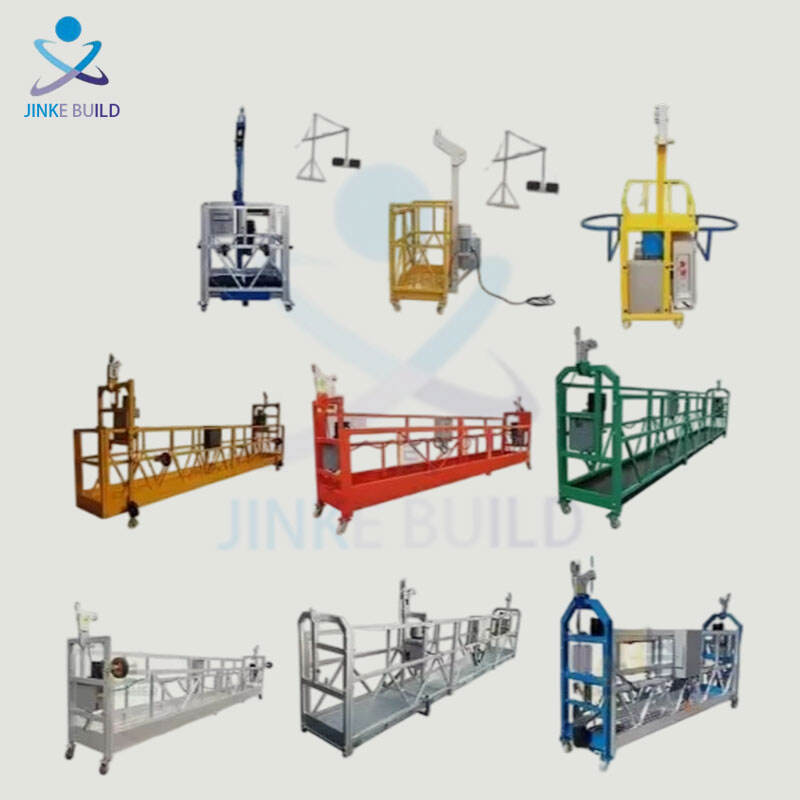
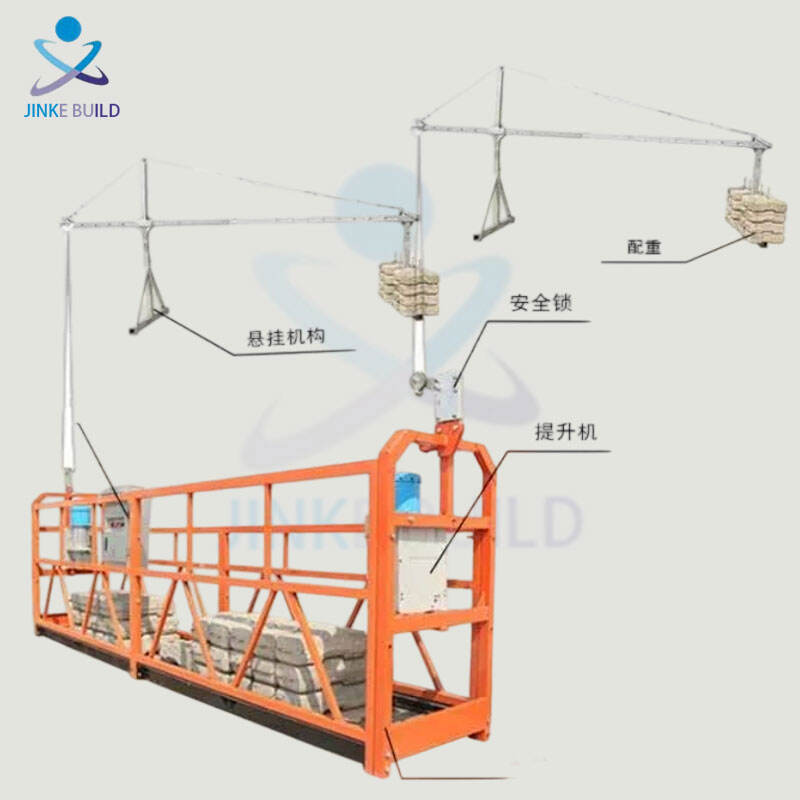
ZLP systems come built to handle certain weight ranges, usually between about 630 kilograms all the way up to 1000 kg based on what model we're talking about here. That kind of flexibility lets workers tackle different jobs around construction sites without worrying too much about overloading things. What makes these platforms so reliable? Well, they're designed with extra stability features that keep everything balanced even when fully loaded at capacity. On actual job sites, these weight limits get put through their paces daily. Contractors who maintain their equipment regularly will find that their ZLP systems perform just fine within those stated limits according to field reports from various industry sources. Understanding exactly what each system can handle remains important for anyone working on site management or planning operations where safety matters most.
ZLP platforms get built from top quality stuff like galvanized steel or aluminum which means they resist rust pretty well and last much longer than cheaper alternatives. Because of this material selection, these platforms work great outdoors and in factories where they face all sorts of tough weather and environments. We've seen them hold up through some really rough conditions over time. What goes into making these platforms matters beyond just how long they last. The materials actually impact how heavy the whole thing is while still performing reliably when used for scaffolding purposes. Stability remains key factor here since workers need something solid beneath their feet no matter what kind of job site challenges come along.
ZLP systems come with lots of ways to customize them, from changing lengths to adding extra safety bits that fit what each job actually needs. When contractors work directly with manufacturers on special designs, they get systems that really perform well in tricky situations. Think about installing them inside greenhouses where space is tight or in areas with weird ceiling heights. Most construction folks will tell anyone who'll listen how important this customization stuff is when trying to hit those crazy deadlines while still following all the safety rules. The ability to tweak these systems means workers aren't stuck with one size fits all solutions anymore. They can adjust things on site based on what the actual project throws at them, which keeps everyone safe without sacrificing function.
Modern ZLP platforms come with smart anti-tilt sensors designed to keep workers safe during operations. These little gadgets constantly check how stable the platform is sitting, stopping it from tilting unexpectedly which might otherwise cause serious problems. What makes these platforms even safer? They have emergency brakes built right into them. If something goes wrong, those brakes kick in fast to stop everything dead in its tracks. The impact on worker safety has been pretty impressive actually. Companies report fewer accidents overall, especially when looking at numbers related to traditional scaffolding setups before these new safety measures became standard across the industry.
Safety comes first with ZLP platforms because they include those extra safety cables that kick in if the main one fails. Think of it like having two layers of protection instead of just one, which really helps keep everything stable when things get shaky up there. Fall protection isn't optional either these days. Workers need that extra layer of security especially when working high above ground level where mistakes can be deadly. Most industry guidelines actually insist on these safety features. Contractors who pass their regular safety checks tend to go for equipment with better fall protection systems since they know firsthand how much difference good safety gear makes in preventing serious injuries on site.
ZLP systems need to follow those important international safety rules from organizations like CE, ISO, and ANSI. When companies stick to these strict requirements, their platforms actually reach real world safety and quality levels that matter on construction sites. Maintaining compliance isn't just paperwork either. Most businesses find they have to get inspected every six months or so and renew certifications regularly, which gives both operators and site managers actual confidence when working at height. Beyond just looking good on paper, following these standards builds genuine trust in the marketplace. Contractors who consistently meet these requirements often see better chances winning project bids because clients want to know their scaffolding will hold up under pressure and keep workers safe day after day.
ZLP platforms get used all the time when maintaining those tricky high rise building exteriors, giving workers easy access to hard to reach areas. They really cut down on both time spent and money paid for facade maintenance work, something we've seen over and over again in real world construction scenarios. What makes these platforms so good is how flexible they are, letting inspectors check out problems quickly and fix things without much hassle. This flexibility means buildings stay looking better longer, plus their structural integrity lasts way past what most people expect from similar properties.
For industrial plant construction work, ZLP systems have become essential when workers need to reach those tricky spots that regular equipment just can't access. They make sure maintenance gets done properly and allow for ongoing development projects without major disruptions. When building bridges too, these suspended platforms do double duty keeping workers safe while also making it easier to move materials around the site, which saves time on countless jobs throughout construction. Looking at recent sales figures shows most construction companies prefer ZLP systems because they simply work better than alternatives for all sorts of industrial needs. The reliability factor alone makes them worth the investment for many firms operating in this competitive market.
ZLP platforms work really well in tight spots like storage tanks and grain silos where traditional equipment just won't fit, making jobs safer for workers while getting things done faster. Industry pros who've used them report that maintenance takes less time when working in these tough environments compared to older methods. Safety becomes much easier to manage with ZLP systems in place, which explains why so many companies rely on them for tricky industrial applications where standard solutions fall short. The difference they make in reducing risks during confined space operations has made them pretty much essential for anyone dealing with complex maintenance tasks in restricted areas.
The ZLP 630 suspended platform has built quite a reputation among contractors for being both reliable and efficient, especially when construction projects need good scaffolding options. With a load capacity of 630 kg, this model handles pretty much anything most job sites throw at it. What really stands out though is how light and small it actually is. On tight spaces where room is at a premium, workers find themselves grateful for these compact dimensions that let them move around without hassle. Contractors often mention how straightforward setup can be, plus the fact that they can pack everything up quickly between jobs makes sense for anyone working across multiple locations throughout the week.
The ZLP1000 really steps things up compared to standard suspended platforms thanks to its beefed-up power system and ability to handle weights all the way up to 1000 kilograms. This kind of lifting capability opens doors for use in applications where regular models just won't cut it, like heavy machinery maintenance or structural repairs on large buildings. Safety isn't an afterthought either. The platform comes packed with solid safety measures including responsive brakes and fail-safe emergency stop mechanisms that keep workers safe even when conditions get tough on site. Contractors across the construction sector are starting to notice these advantages, which explains why we're seeing increased interest in this particular model lately.
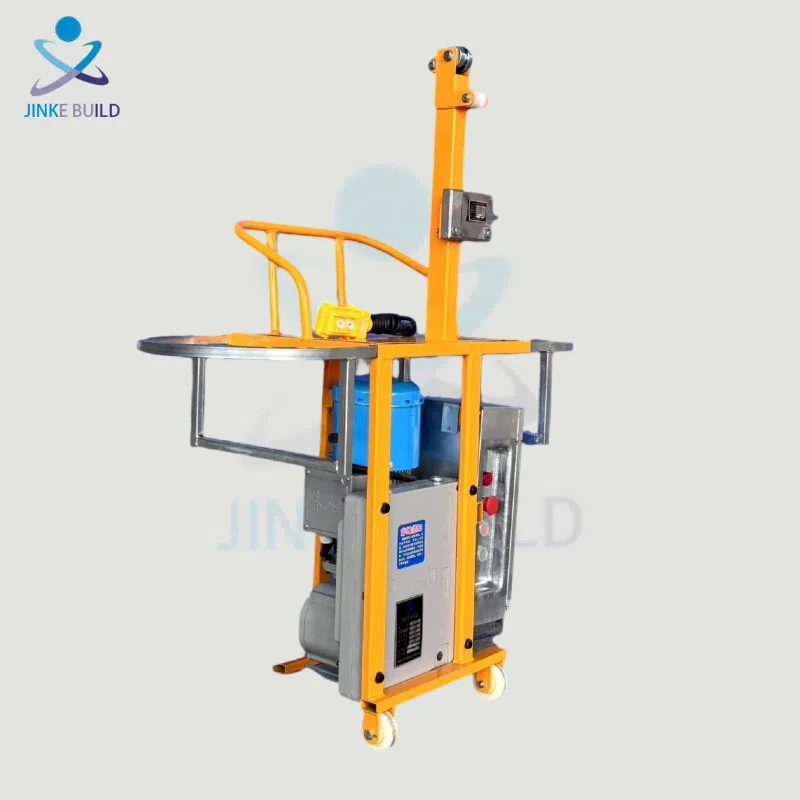
The Suspend Platform Single Person Cradle works great for jobs where one person can handle everything safely and efficiently. Think maintenance work on pipes or electrical systems in hard to reach spots where bringing extra people would just complicate things. These models really shine when space is limited. Safety comes first too. The cradle has those built in harness points that meet all the OSHA standards most companies worry about. Contractors who actually use them report they're much better than trying to rig something together with standard scaffolding in narrow spaces like between walls or under floors.
Copyright © Tianjin Jinke Technology Co., Ltd. All Rights Reserved - Privacy Policy - Blog
 EN
EN